Youth Soccer Development in the US: 4 Programs for 10% Retention by 2026
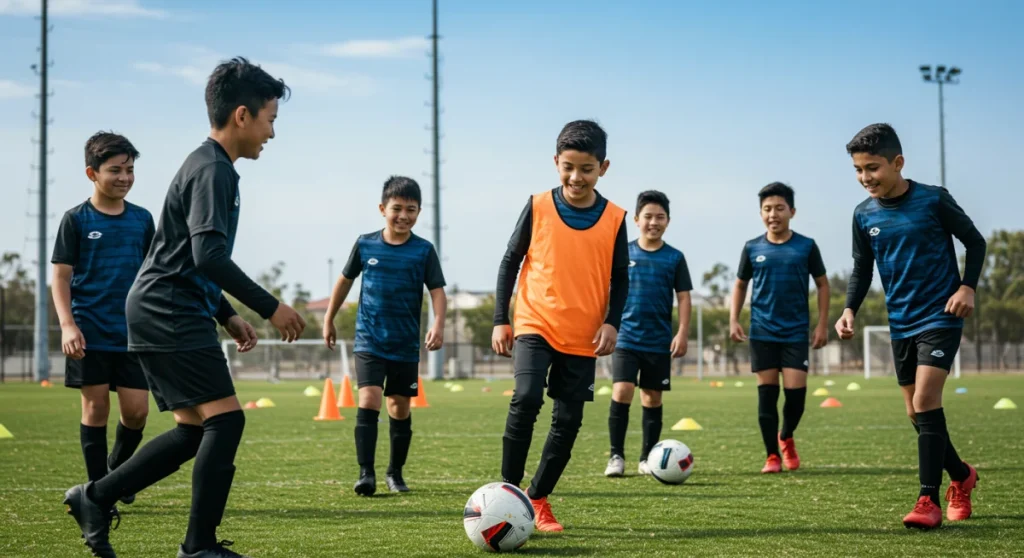
Innovative youth soccer development programs in the US are actively implementing strategic initiatives to boost player retention by 10% by 2026, focusing on holistic growth and sustained engagement.
The landscape of youth soccer development in the US is constantly evolving, with a critical focus on not just nurturing talent, but also ensuring young players remain engaged and passionate about the sport long-term. This article delves into four innovative programs poised to significantly improve player retention by 10% by 2026, aiming to build a stronger foundation for American soccer.
Understanding the Challenge of Youth Player Retention
Youth sports participation in the US often sees a significant drop-off as children enter their teenage years. For soccer, this trend is particularly concerning, as it impacts the long-term health of the sport and the development of future talent. Addressing this requires a multi-faceted approach that goes beyond just skill development, focusing on enjoyment, psychological well-being, and a sense of belonging.
Many factors contribute to players leaving the sport, including burnout from intense competition, lack of playing time, financial barriers, and a shift in interests. Recognizing these challenges is the first step towards creating programs that are more sustainable and appealing to a broader range of young athletes. The goal is to cultivate a lifelong love for the game, not just a temporary competitive pursuit.
The ‘Win at All Costs’ Mentality
One of the primary drivers of early player dropout is the pressure associated with a ‘win at all costs’ culture. This often leads to:
- Excessive focus on results over development.
- Limited playing opportunities for less skilled players.
- Increased stress and anxiety among young athletes.
- Decreased enjoyment and intrinsic motivation.
Shifting this paradigm towards a more player-centric model is crucial for fostering an environment where children feel valued regardless of their performance. This involves educating coaches, parents, and administrators on the long-term benefits of a development-first approach.
Socioeconomic Barriers and Accessibility
Another significant hurdle is the cost associated with competitive youth soccer, which can exclude many talented individuals from lower-income backgrounds. High club fees, travel expenses, and equipment costs create a barrier to entry and sustained participation. Innovative programs are actively seeking ways to mitigate these financial pressures, ensuring soccer is accessible to all.
Addressing these challenges head-on is vital for achieving the ambitious goal of a 10% improvement in player retention by 2026. By creating more inclusive, enjoyable, and developmentally appropriate environments, youth soccer can retain more players and build a stronger, more diverse talent pool.
Program 1: The ‘Play for Life’ Initiative
The ‘Play for Life’ Initiative is designed to re-emphasize the joy and social aspects of soccer, moving away from purely results-driven metrics for younger age groups. This program targets players from ages 6 to 12, focusing on fun, skill-building through engaging games, and fostering a positive team environment. It aims to instill a deep-seated love for the game that encourages long-term participation.
This initiative integrates non-competitive game formats, ample playing time for all participants, and a strong emphasis on sportsmanship and teamwork. Coaches undergo specialized training to prioritize player development and psychological well-being over winning. The curriculum is designed to be flexible, allowing children to explore different positions and develop a broad range of skills without early specialization.
Key Components of ‘Play for Life’
The success of ‘Play for Life’ hinges on several core principles that differentiate it from traditional competitive models. These components work in synergy to create an environment where children thrive and want to continue playing.
- Developmental Focus: Prioritizing individual player growth over team wins.
- Inclusive Participation: Ensuring equal playing time and opportunities for all skill levels.
- Positive Coaching: Coaches trained in child psychology and positive reinforcement.
- Fun-First Approach: Activities designed to be engaging and enjoyable, keeping kids excited about practice.
By shifting the focus from high-stakes competition to skill mastery and enjoyment, ‘Play for Life’ aims to reduce burnout and increase the intrinsic motivation of young athletes. This foundational love for the game is crucial for retaining players as they transition into more competitive environments later on.
Community Engagement and Parent Education
A vital aspect of ‘Play for Life’ is its emphasis on community involvement and educating parents about the program’s philosophy. Workshops and informational sessions are regularly held to explain the benefits of a development-first approach and to encourage positive sideline behavior. This creates a supportive ecosystem for the young players.
The ‘Play for Life’ Initiative serves as a powerful model for how youth soccer development in the US can be reshaped to prioritize player well-being and long-term engagement. Its success in fostering a positive environment is a key factor in improving overall player retention.
Program 2: ‘Skill & Scholarship’ Pathway
The ‘Skill & Scholarship’ Pathway directly addresses the socioeconomic barriers that often lead to player attrition. This program identifies talented young players from underserved communities and provides them with access to high-quality coaching, equipment, and competitive league play through scholarships and subsidized fees. It ensures that financial limitations do not hinder a child’s potential in soccer.
Beyond financial support, the program offers academic tutoring and mentorship, fostering holistic development. The aim is to create pathways for these athletes to not only excel in soccer but also to pursue higher education, using soccer as a vehicle for broader life opportunities. This integrated approach acknowledges that success on the field is often linked to success off it.
Breaking Down Financial Barriers
The cost of elite youth soccer can be prohibitive for many families, leading to a significant drop-off in participation. ‘Skill & Scholarship’ tackles this head-on:
- Providing full or partial scholarships based on need and talent.
- Subsidizing travel and equipment costs.
- Partnering with local businesses and philanthropists for funding.
- Offering free clinics and open tryouts to identify talent.
By removing these financial obstacles, the program opens up opportunities for a wider demographic of players, ensuring that talent is not overlooked due to economic circumstances. This not only benefits individual players but also enriches the overall talent pool for US soccer.
Academic Support and Mentorship
Recognizing the importance of education, ‘Skill & Scholarship’ integrates academic support as a core component. Players are provided with:
- Access to certified tutors for various subjects.
- Mentorship from older athletes and community leaders.
- Workshops on college admissions and financial aid.
- Emphasis on balancing athletic and academic responsibilities.
This dual focus ensures that participants are well-rounded individuals, equipped for success both on and off the pitch. The program’s commitment to holistic development is a powerful incentive for players and their families to remain engaged with soccer.
Program 3: The ‘Coach as Mentor’ Development Curriculum
At the heart of successful youth soccer development in the US lies the quality of coaching. The ‘Coach as Mentor’ Development Curriculum is an intensive training program for coaches that shifts their role from mere instructors to comprehensive mentors. This curriculum focuses on developing coaches who can not only teach technical skills but also foster psychological resilience, leadership, and a strong ethical framework in young players.
The program emphasizes communication skills, conflict resolution, and understanding child and adolescent psychology. Coaches learn to create inclusive environments where every child feels valued, heard, and motivated. This approach directly contributes to higher player satisfaction and, consequently, better retention rates, as players are more likely to stay in a sport where they feel supported and understand their growth path.
Building Comprehensive Coaching Skills
The ‘Coach as Mentor’ curriculum goes beyond standard tactical and technical training, focusing on the broader impact a coach has on a young athlete. Key areas of focus include:
- Positive Reinforcement Techniques: Teaching coaches how to motivate through encouragement rather than criticism.
- Emotional Intelligence: Helping coaches understand and respond to the emotional needs of young players.
- Long-Term Player Development: Shifting focus from immediate game outcomes to sustained individual growth.
- Leadership and Role Modeling: Equipping coaches to be positive influences both on and off the field.
This comprehensive training ensures that coaches are not just delivering instructions but are actively shaping the character and values of their players, creating a more enriching experience that encourages continuous participation in youth soccer development in the US.
Impact on Player Retention
When coaches act as mentors, players feel a stronger connection to their team and the sport. This leads to:
- Increased enjoyment and reduced stress.
- Higher self-esteem and confidence in their abilities.
- Better communication and teamwork among players.
- A greater likelihood of continuing with soccer through adolescence.
The positive relationships forged between players and their mentors are powerful motivators for staying in the game. By investing in coach development, this program directly impacts the emotional and psychological well-being of young athletes, a critical factor in improving retention rates.
Program 4: ‘Future Stars’ League & Talent Identification
The ‘Future Stars’ League and Talent Identification program focuses on creating a more structured yet flexible pathway for talented youth players, ensuring they receive appropriate challenges and opportunities without experiencing burnout. This program is designed for older youth (ages 13-18) and aims to bridge the gap between recreational play and elite academy soccer, providing a clear progression model.
It features regionally based leagues that minimize extensive travel, allowing players to balance soccer with academics and social life. The talent identification component is integrated with a scouting network that prioritizes long-term potential and character over immediate physical attributes. This program aims to retain high-potential players by offering a compelling, sustainable development path.
Structured Development with Reduced Pressure
The ‘Future Stars’ League understands that as players get older, the demands on their time and energy increase. The league is structured to offer:
- Regionalized Competition: Less travel, more focus on local rivalries and community engagement.
- Flexible Scheduling: Accommodating academic commitments and other extracurricular activities.
- Skill-Specific Training: Tailored training sessions addressing advanced technical and tactical needs.
- Performance Analytics: Providing constructive feedback to players for continuous improvement.
This approach helps to mitigate the pressures that often lead to dropout in higher age groups, allowing players to continue developing their skills in a supportive and manageable environment. The emphasis on individual growth within a competitive framework is key for long-term engagement.
Ethical Talent Identification
The talent identification process within ‘Future Stars’ is designed to be fair and transparent, focusing on a holistic evaluation of players. Scouts are trained to look beyond immediate performance, considering:
- Technical Proficiency: Ball control, passing, shooting, dribbling.
- Tactical Understanding: Game awareness, decision-making, positioning.
- Physical Attributes: Speed, agility, endurance (age-appropriately).
- Psychological Traits: Resilience, leadership, coachability, work ethic.
This comprehensive assessment ensures that players are identified based on their potential and character, not just their current skill level. It provides a more equitable opportunity for a wider range of players to progress, fostering a sense of hope and purpose that contributes significantly to player retention in youth soccer development in the US.
Measuring Success and Future Outlook
The effectiveness of these innovative programs in improving youth player retention in the US will be measured through various metrics, including annual registration data, player satisfaction surveys, and longitudinal studies tracking individual player progression. The ambitious goal of a 10% improvement by 2026 requires continuous monitoring, adaptation, and collaboration among all stakeholders.
Beyond statistical improvements, the ultimate success of these initiatives lies in fostering a generation of lifelong soccer enthusiasts, whether they pursue professional careers or simply enjoy the game recreationally. The focus is on creating a sustainable ecosystem where soccer is seen as a positive force for physical, mental, and social development for all young Americans.
Key Performance Indicators (KPIs)
To accurately track progress towards the 10% retention goal, several KPIs will be crucial:
- Annual Re-registration Rates: Comparing year-over-year player numbers in each program.
- Player Satisfaction Scores: Regular surveys to gauge enjoyment and perceived value.
- Coach and Parent Feedback: Qualitative data on program effectiveness and areas for improvement.
- Transition Rates: Tracking how many players move from one age group or level to the next.
These metrics provide a holistic view of the programs’ impact, allowing for data-driven adjustments and ensuring that resources are allocated effectively to maximize retention.
Collaboration and Scalability
The long-term success of these programs also depends on their ability to be scaled and replicated across different regions of the US. This requires:
- Sharing Best Practices: Documenting successful strategies and making them available to other organizations.
- Partnerships: Collaborating with national governing bodies, local clubs, and community organizations.
- Funding and Resources: Securing sustained financial support to expand reach and impact.
- Advocacy: Promoting the benefits of these innovative approaches to a wider audience.
By working together, the various entities involved in youth soccer development in the US can create a unified vision and strategy for improving player retention, ultimately strengthening the sport from the grassroots up.
The Broader Impact on US Soccer
The collective success of these innovative programs in driving a 10% improvement in player retention by 2026 will have a profound and lasting impact on the entire ecosystem of US soccer. A larger, more engaged player base means a deeper talent pool for national teams, a more vibrant fan culture, and a healthier recreational landscape for the sport. This sustained participation at the youth level is the bedrock upon which future success is built.
Beyond elite player development, increased retention means more children benefiting from the physical activity, social interaction, and life skills that soccer inherently offers. This contributes to healthier communities and a more active youth population. The investment in these programs is not just an investment in soccer, but an investment in the future well-being of American youth.
The long-term vision is to create a self-sustaining cycle where positive youth experiences lead to continued involvement, eventually producing coaches, referees, administrators, and fans who are deeply committed to the sport. This generational engagement is what truly defines a strong soccer culture, and these programs are laying the groundwork for that future.
| Key Program | Primary Focus |
|---|---|
| Play for Life Initiative | Emphasizes fun, skill-building through games, and positive team environment for younger players. |
| Skill & Scholarship Pathway | Provides financial aid and academic support to talented players from underserved communities. |
| Coach as Mentor Curriculum | Trains coaches to be holistic mentors, fostering psychological resilience and ethical development. |
| Future Stars League | Offers structured, flexible pathways and ethical talent identification for older youth players. |
Frequently Asked Questions About Youth Soccer Development
Player retention is crucial because high dropout rates impact the sport’s long-term health, reduce the talent pool, and limit the number of children benefiting from sports. Factors like burnout, cost, and pressure often lead to players leaving before reaching their full potential or developing a lifelong love for the game.
These programs focus on holistic development, emphasizing enjoyment, accessibility, and positive coaching. By addressing common reasons for dropout, such as excessive pressure, financial barriers, and lack of support, they create more engaging and sustainable environments that encourage continued participation in youth soccer development in the US.
Coaches are central to these initiatives, acting as mentors rather than just instructors. They are trained in child psychology, positive reinforcement, and long-term player development, fostering psychological resilience and a strong ethical framework. This supportive coaching style is critical for player satisfaction and retention.
Programs like the ‘Skill & Scholarship’ Pathway provide financial aid, subsidized fees, and equipment to talented players from underserved communities. This ensures that economic circumstances do not prevent children from accessing high-quality soccer development, making the sport more inclusive and diverse.
The long-term vision is to create a sustainable ecosystem where youth soccer fosters lifelong engagement, not just competitive success. By increasing retention, these programs aim to deepen the talent pool, strengthen soccer culture, and promote physical, mental, and social well-being for all American youth.
Conclusion
The concerted efforts of these four innovative programs signify a pivotal moment for youth soccer development in the US. By prioritizing player well-being, accessibility, quality coaching, and structured pathways, they are not only nurturing future talent but also ensuring that more children experience the enduring benefits and joy of the sport. Achieving a 10% improvement in player retention by 2026 is an ambitious yet attainable goal, one that promises to reshape the landscape of American soccer for generations to come, creating a more inclusive, engaging, and ultimately, more successful environment.