
The US Soccer Federation is implementing a $50 million investment to significantly boost grassroots football by 2025, focusing on enhancing player development, coach education, and overall program accessibility nationwide.
Inside the US Soccer Federation’s New Initiatives: How a $50 Million Investment is Boosting Grassroots Football by 2025
The landscape of American soccer is undergoing a transformative period, fueled by a significant financial commitment. The US Soccer Federation has embarked on an ambitious journey, earmarking a substantial $50 million investment to boost grassroots football by 2025. This monumental initiative is not just about numbers; it’s about fundamentally reshaping how young athletes engage with the sport, ensuring greater accessibility, higher quality coaching, and more robust developmental pathways. This article delves into the core components of this strategic investment, exploring its potential impact on the future of soccer in the United States and how it aims to cultivate a new generation of players and fans.
The Vision Behind the $50 Million Commitment
The US Soccer Federation’s decision to allocate $50 million towards grassroots development by 2025 stems from a clear vision: to make soccer the preeminent sport in the United States. This isn’t merely about professional success at the international level, but about building a strong foundation from the ground up. The investment recognizes that the future of the sport hinges on widespread participation and a positive early experience for young players.
This strategic move is a direct response to several identified needs within the American soccer ecosystem. Historically, access to quality soccer programs has often been uneven, with significant disparities based on geography and socioeconomic status. The new initiatives aim to democratize the sport, opening doors for aspiring players regardless of their background. Furthermore, there’s a strong emphasis on improving the quality of coaching and creating more structured, age-appropriate pathways for player progression.
Addressing Accessibility and Inclusivity
One of the primary pillars of this investment is to significantly enhance accessibility. The Federation understands that for soccer to truly flourish, it must be available to everyone, everywhere. This involves breaking down financial barriers and ensuring that facilities and coaching are available in underserved communities.
- Financial Aid Programs: Establishing and expanding financial aid to ensure that registration fees, equipment costs, and travel expenses do not prevent talented or eager young players from participating.
- Community Outreach: Launching programs specifically designed to reach urban and rural areas where soccer infrastructure may be lacking, providing resources and support for new leagues and clubs.
- Diverse Participation: Actively promoting participation among underrepresented groups, including girls and minority communities, to reflect the rich diversity of the United States.
The goal is to cultivate an environment where every child who wishes to play soccer has the opportunity to do so, laying the groundwork for a more inclusive and prosperous soccer future. This focus on inclusivity is paramount for the long-term health and growth of the sport.
Elevating Coaching Standards and Player Development
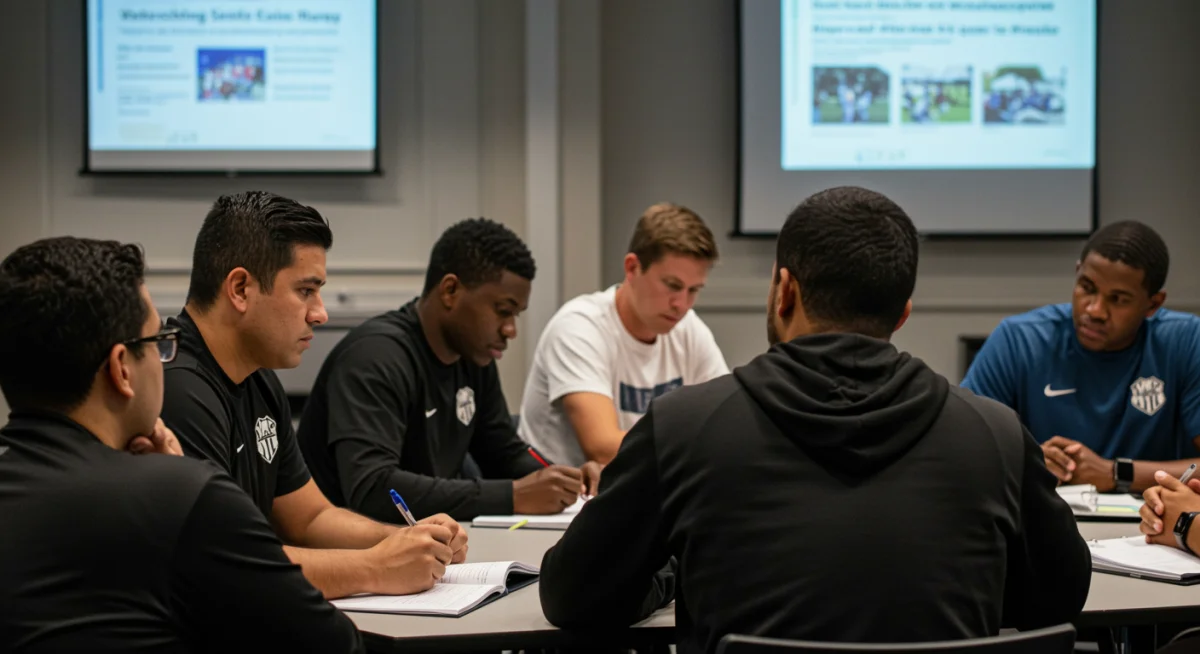
A crucial aspect of the $50 million investment is the profound commitment to elevating coaching standards across the nation. Recognizing that quality coaching is the bedrock of player development, the US Soccer Federation is channeling significant resources into education, certification, and ongoing support for grassroots coaches. This ensures that young players receive instruction that is not only technically sound but also developmentally appropriate and inspiring.
The initiatives aim to create a standardized yet flexible framework for coach education, making it more accessible and relevant to the diverse needs of grassroots programs. This involves leveraging technology for online learning, establishing regional training centers, and fostering a culture of continuous improvement among coaches. The ultimate objective is to professionalize the role of the youth coach, equipping them with the tools and knowledge to nurture talent and foster a lifelong love for the game.
Enhanced Coach Education and Certification
The Federation is rolling out new and updated coaching courses, making them more affordable and available nationwide. These courses cover a range of topics, from foundational coaching principles to advanced tactical strategies, all tailored for youth development.
- Accessible Online Modules: Developing comprehensive online learning platforms that allow aspiring coaches to complete certification courses at their own pace, removing geographical and time constraints.
- Regional Training Workshops: Organizing in-person workshops and clinics in various regions to provide hands-on training, practical demonstrations, and opportunities for peer-to-peer learning.
- Mentorship Programs: Establishing mentorship initiatives that pair experienced coaches with new ones, facilitating knowledge transfer and providing continuous support and guidance.
By investing in its coaches, the US Soccer Federation is directly investing in its players, ensuring that every child has access to knowledgeable and passionate mentors who can guide their journey in soccer. This commitment will undoubtedly lead to better player outcomes and a stronger overall developmental pipeline.
Infrastructure Development and Program Expansion
Beyond human capital, the $50 million investment also targets crucial infrastructure development and the expansion of existing programs. A robust soccer ecosystem requires adequate facilities, equipment, and well-structured programs that cater to various age groups and skill levels. The US Soccer Federation is strategically allocating funds to address these physical and programmatic needs, ensuring a holistic approach to grassroots growth.
This includes supporting local clubs in upgrading their facilities, providing grants for new field construction, and developing innovative program models that can be replicated across the country. The aim is to create environments where young players can train, compete, and develop in safe, stimulating, and supportive settings. By enhancing infrastructure, the Federation is not only improving the quality of play but also strengthening community ties through soccer.
Investing in Facilities and Equipment
Improving the physical spaces where soccer is played is a core component of this initiative. Many grassroots clubs operate with limited resources, and this investment seeks to bridge that gap.
- Field Development Grants: Providing financial assistance to local organizations for the construction of new soccer fields, renovation of existing ones, and installation of modern turf.
- Equipment Provision: Supplying essential equipment such as balls, cones, training bibs, and portable goals to underserved leagues and clubs, ensuring all participants have the necessary tools.
- Safe Play Environments: Implementing standards and providing resources to ensure all facilities meet safety guidelines, including proper lighting, first-aid stations, and secure perimeters.
These tangible improvements to infrastructure and equipment are vital for creating a positive and productive environment for young players. They directly contribute to increased participation and a more professional experience at the grassroots level.
Strategic Partnerships and Community Engagement
The success of the US Soccer Federation’s $50 million investment hinges not only on internal initiatives but also on fostering strategic partnerships and robust community engagement. Recognizing that grassroots soccer is deeply rooted in local communities, the Federation is actively seeking collaborations with a diverse array of stakeholders. This collaborative approach ensures that the initiatives are tailored to specific local needs and benefit from a broader network of support and expertise.
These partnerships extend to local government entities, school districts, youth sports organizations, and corporate sponsors. By working together, resources can be pooled, best practices shared, and the reach of grassroots programs significantly expanded. Community engagement is also about empowering local leaders and volunteers, providing them with the resources and training to run successful programs that resonate with their specific populations.
Building Alliances for Broader Impact
Collaborations are essential for maximizing the reach and effectiveness of the investment. The Federation is focused on creating a network of support that spans various sectors.
- Local Government Collaboration: Partnering with city and county governments to utilize public spaces, secure permits for field use, and integrate soccer programs into community recreational offerings.
- School District Programs: Working with schools to introduce soccer into physical education curricula, establish after-school programs, and use school facilities for youth training.
- Corporate Sponsorships: Engaging businesses to provide financial support, equipment donations, and volunteer hours, thereby augmenting the Federation’s investment.
These strategic collaborations are critical for building a sustainable and far-reaching grassroots soccer movement. They ensure that the $50 million investment creates a ripple effect, positively impacting communities across the United States.
Measuring Impact and Long-Term Sustainability
While the $50 million investment provides a significant boost, its true success will be measured by its long-term impact and sustainability beyond 2025. The US Soccer Federation is not merely injecting funds; it is implementing a robust framework for monitoring progress, evaluating outcomes, and ensuring that the initiatives create lasting positive change. This commitment to measurement and accountability is crucial for demonstrating the return on investment and securing continued support for grassroots development.
Key performance indicators (KPIs) will be established to track metrics such as participation rates, coach certification numbers, program accessibility in underserved areas, and player retention. Regular assessments will be conducted to identify what is working well and where adjustments are needed. Furthermore, the Federation is focused on building sustainable models that can thrive independently, reducing reliance on one-off investments and fostering self-sufficiency within grassroots organizations.
Key Metrics for Success
Tracking specific data points will be essential to understanding the efficacy of the investment and making informed decisions for future growth.
- Increased Participation: Monitoring the year-over-year growth in registered youth players across all age groups and demographics.
- Coach Certification Rates: Tracking the number of newly certified coaches and those advancing to higher licensing levels.
- Program Reach: Assessing the geographical spread of new programs and the number of underserved communities reached by the initiatives.
By meticulously measuring impact and focusing on sustainability, the US Soccer Federation aims to ensure that the $50 million investment creates a legacy of growth and opportunity for American soccer, far beyond the initial funding period. This forward-thinking approach is vital for embedding soccer deeply within the national sports culture.
The Future Landscape of US Grassroots Soccer
The ambitious $50 million investment by the US Soccer Federation is set to significantly reshape the future landscape of grassroots soccer in the United States by 2025. This strategic influx of capital and resources is designed to create a more equitable, accessible, and high-quality developmental environment for young players nationwide. The initiatives are not just about increasing participation numbers; they are about fostering a deeper connection to the sport, cultivating talent, and building a sustainable pipeline for future success at all levels of the game.
As these programs take root and expand, we can anticipate a more vibrant and diverse soccer community. The emphasis on coach education will lead to more skilled and inspirational mentors, while improved infrastructure will provide better playing surfaces and safer environments. Ultimately, this investment positions US soccer for unprecedented growth, helping to realize the long-held dream of becoming a global soccer powerhouse, built on a strong, broad, and deeply rooted foundation.
Anticipated Outcomes and Long-Term Vision
The collective impact of these initiatives is expected to be profound, paving the way for a brighter future for American soccer.
- Enhanced Player Pool: A wider and more diverse talent pool emerging from accessible grassroots programs, leading to stronger national teams.
- Increased Fan Engagement: A larger and more engaged fan base, with more families and communities actively involved in the sport.
- Sustainable Growth: The establishment of self-sufficient and thriving local soccer ecosystems that continue to expand and develop.
The US Soccer Federation’s $50 million investment represents a pivotal moment for the sport in America. It’s a clear statement of intent, demonstrating a commitment to nurturing the game from its earliest stages and ensuring that soccer’s potential in the United States is fully realized for generations to come.
| Key Initiative | Brief Description |
|---|---|
| Accessibility Focus | Breaking down financial and geographical barriers to soccer participation for youth nationwide. |
| Coach Development | Investing in education, certification, and ongoing support for grassroots soccer coaches. |
| Infrastructure & Programs | Funding facility upgrades, new field construction, and expanding youth program offerings. |
| Strategic Partnerships | Collaborating with local governments, schools, and organizations to broaden impact and reach. |
Frequently Asked Questions About US Soccer’s Grassroots Investment
The primary goal is to significantly boost grassroots football by 2025, focusing on making soccer more accessible to all youth across the United States, enhancing coach education, and developing robust player pathways from a young age.
The investment will improve access through financial aid programs, targeted community outreach initiatives in urban and rural areas, and by providing essential equipment and resources to leagues and clubs in need, reducing participation barriers.
The Federation is enhancing coaching quality by developing accessible online certification modules, organizing regional in-person workshops, and establishing mentorship programs to support and continuously educate grassroots coaches across the country.
Other infrastructure developments include providing grants for new soccer field construction and renovation, supplying essential equipment to local clubs, and ensuring all playing facilities meet stringent safety standards for young athletes.
Long-term success will be measured through key performance indicators such as increased youth participation rates, higher coach certification numbers, expanded program reach in diverse communities, and the overall retention of players in the sport.
Conclusion
The US Soccer Federation’s $50 million investment into grassroots football by 2025 is a bold and necessary step towards solidifying soccer’s place in American sports culture. By prioritizing accessibility, elevating coaching standards, developing crucial infrastructure, and fostering strategic partnerships, the Federation is laying a robust foundation for future generations of players and fans. This comprehensive approach is designed not just to achieve short-term gains, but to cultivate a sustainable, inclusive, and high-quality soccer ecosystem that will propel the sport to new heights across the United States. The commitment reflects a deep understanding that the strength of any sport ultimately lies in its roots, and by nurturing those roots, American soccer is poised for unprecedented growth and success.