
US Soccer Concussion Protocols: January 2024 Updates for Player Safety
In the dynamic and often high-impact world of soccer, player safety remains paramount. Head injuries, particularly concussions, have long been a significant concern across all levels of the sport, from youth leagues to professional play. Recognizing the evolving understanding of concussions and their long-term effects, US Soccer has consistently strived to implement and refine robust safety measures. The latest significant development in this ongoing commitment came in January 2024, with updated US Soccer Concussion Protocols. These revisions are not merely minor tweaks; they represent a comprehensive effort to enhance player protection, improve identification of concussions, and ensure a safer return-to-play process. This article will delve into the specifics of these January 2024 updates, explore their implications for players, coaches, parents, and medical staff, and discuss the broader impact on the landscape of US soccer.
The Critical Need for Evolving Concussion Protocols in Soccer
Concussions are complex traumatic brain injuries that result from a direct blow to the head, or an indirect force that causes the brain to move rapidly within the skull. The symptoms can range widely, from headaches and dizziness to memory problems and mood changes, and can have serious short-term and long-term consequences if not managed properly. In soccer, concussions can occur from head-to-head collisions, impacts with the ground or goalposts, or even from heading the ball, particularly in younger players.
For years, the understanding and management of concussions in sports lagged behind the medical realities. However, growing research, increased awareness, and advocacy from medical professionals and former athletes have driven significant changes. Organizations like US Soccer have been at the forefront of implementing progressive policies. The continuous evolution of US Soccer Concussion Protocols is a testament to the organization’s dedication to integrating the latest scientific evidence into practical, actionable guidelines for the safety of its participants.
The January 2024 updates build upon previous iterations, reflecting a deeper understanding of concussion pathology, improved diagnostic tools, and more refined rehabilitation strategies. These changes are crucial for several reasons:
- Improved Identification: Earlier and more accurate identification of concussions is vital for prompt removal from play and initiation of recovery.
- Enhanced Recovery: Structured return-to-play protocols are designed to ensure athletes fully recover before returning to competitive action, minimizing the risk of re-injury or prolonged symptoms.
- Long-term Health: Protecting athletes from the cumulative effects of concussions is a primary concern, especially in youth sports where developing brains are more vulnerable.
- Legal and Ethical Responsibilities: Sports organizations have a clear responsibility to protect their athletes, and robust protocols help fulfill this duty.
Key Updates to the US Soccer Concussion Protocols (January 2024)
The January 2024 revisions to the US Soccer Concussion Protocols introduce several critical enhancements. While the core principles of “Recognize, Remove, Refer, Recover, Return” remain foundational, the new guidelines provide greater detail, stricter enforcement mechanisms, and a more individualized approach to player management. Let’s break down the most significant changes:
1. Strengthened Recognition and Removal Guidelines
The ability to recognize a concussion on the field is the first and most crucial step. The updated protocols place an even greater emphasis on immediate removal from play. Key changes include:
- “If in Doubt, Sit Them Out” Mandate: This principle is now more explicitly enforced. Any player suspected of sustaining a concussion, regardless of the severity of symptoms, must be immediately removed from training or competition. There is no “wait and see” approach.
- Expanded Symptom Checklist: The updated guidelines provide a more comprehensive list of observable signs and reported symptoms of concussion, aiding coaches, referees, and parents in identifying potential injuries. This includes subtle behavioral changes or delayed responses.
- Role of Certified Athletic Trainers (ATCs) and Medical Professionals: The protocols strongly recommend, and in some cases mandate for certain competitive levels, the presence of ATCs or other qualified medical professionals at games and practices. Their expertise in sideline assessment is deemed invaluable.
- Mandatory Education: All coaches, referees, and team officials are now required to complete updated concussion education modules annually, ensuring they are familiar with the latest recognition techniques and protocol adherence. Parents are also strongly encouraged to participate in educational programs.
2. Enhanced Medical Evaluation and Management
Once a player is removed from play due to a suspected concussion, the next step is a thorough medical evaluation. The January 2024 updates refine this process:
- Mandatory Medical Clearance: A player diagnosed with a concussion cannot return to any soccer activity without written clearance from a medical professional trained in concussion management. This professional must be independent of the team.
- Baseline Testing Recommendations: While not universally mandated for all age groups, the updated protocols strongly recommend baseline neurocognitive testing for athletes, particularly at competitive levels. This provides a crucial point of comparison if a concussion occurs.
- Individualized Recovery Plans: Recognizing that every concussion is unique, the guidelines emphasize individualized recovery plans tailored to the athlete’s specific symptoms and recovery trajectory. This moves away from a one-size-fits-all approach.
- Emphasis on Cognitive and Physical Rest: The initial period of rest is crucial. The updated protocols provide clearer guidance on both physical and cognitive rest, emphasizing the need to limit activities that exacerbate symptoms, including screen time and academic demands.

3. Stricter Graduated Return-to-Play (GRTP) Protocol
The Graduated Return-to-Play (GRTP) protocol is arguably the most critical phase of concussion management, ensuring a safe and progressive return to activity. The January 2024 updates introduce significant changes to make this process even safer:
- Extended Minimum Rest Period: The initial period of complete rest after a concussion diagnosis has been extended, reflecting research suggesting that rushing recovery can lead to prolonged symptoms or increased vulnerability to subsequent injuries.
- Symptom-Free Progression: Each stage of the GRTP protocol can only be initiated when the athlete is entirely symptom-free at rest and during the previous stage’s activities. Any return of symptoms necessitates a step back in the protocol.
- Increased Stages and Duration: The GRTP protocol now includes more stages and, consequently, a longer minimum duration for full return to play. This allows for a more gradual reintroduction of physical and cognitive demands. The stages typically include:
- Symptom-limited activity (complete rest)
- Light aerobic exercise
- Sport-specific exercise
- Non-contact training drills
- Full contact practice
- Return to play
- Medical Oversight at Each Stage: Medical supervision is required throughout the GRTP process, with specific checkpoints where a medical professional must clear the athlete to advance to the next stage.
- Academic Accommodations: The protocols now more explicitly address the need for schools to provide academic accommodations during recovery, as cognitive exertion can exacerbate concussion symptoms.
Implications for Various Stakeholders in US Soccer
The updated US Soccer Concussion Protocols have far-reaching implications for everyone involved in the sport. Understanding these impacts is crucial for successful implementation and fostering a culture of safety.
For Players:
- Increased Safety: Ultimately, these protocols are designed to protect players, reducing the risk of both initial concussions and the more serious consequences of returning to play too soon.
- Empowerment to Report: Players are encouraged to be honest about their symptoms without fear of letting their team down. The culture fostered by these protocols should make it easier for players to self-report.
- Longer Recovery Times: While potentially frustrating for competitive athletes, longer, more structured recovery periods are essential for long-term health.
- Education: Players will likely encounter more frequent and detailed education regarding concussion recognition and management.
For Coaches:
- Heightened Responsibility: Coaches bear a significant responsibility for recognizing potential concussions and immediately removing players from activity.
- Mandatory Education: Annual concussion education is now a non-negotiable requirement, ensuring coaches are up-to-date on best practices.
- Adherence to GRTP: Coaches must strictly adhere to medical clearance and the GRTP process, resisting the urge to rush a player back.
- Communication: Improved communication with medical staff, parents, and players about concussion status and recovery is essential.
For Parents:
- Advocacy and Awareness: Parents are vital advocates for their children’s health. Understanding the protocols empowers them to ensure their child’s safety.
- Support During Recovery: Parents play a crucial role in supporting their child through the recovery process, ensuring adherence to rest and GRTP guidelines.
- Education: While often encouraged, active participation in concussion education programs is highly recommended for parents.
- Trust in the System: The enhanced protocols aim to build greater trust that the system is prioritizing their child’s well-being.
For Referees and Officials:
- On-Field Recognition: Referees are often the first to witness potential head injuries. Their vigilance and willingness to stop play for evaluation are critical.
- Enforcement: Officials ensure that players suspected of concussion are removed and do not return without proper clearance.
- Mandatory Education: Similar to coaches, referees are now subject to mandatory annual concussion education.
For Medical Professionals (ATCs, Physicians):
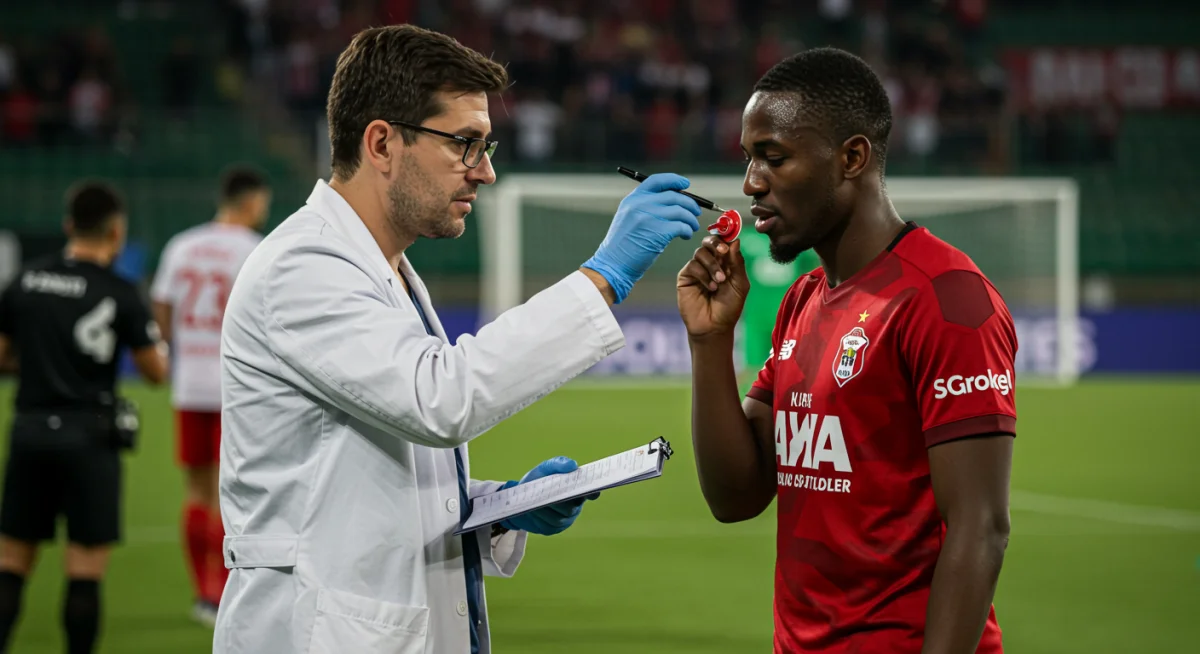
- Central Role: Medical professionals are at the heart of the new protocols, responsible for diagnosis, management, and clearance.
- Expertise in Concussion Management: The protocols emphasize the need for medical professionals trained specifically in concussion management.
- Collaboration: Close collaboration with coaches, parents, and academic institutions is essential for holistic player care.
- Ongoing Education: Medical professionals must stay abreast of the latest research and best practices in concussion care.
The Broader Impact on US Soccer and Youth Development
The January 2024 updates to the US Soccer Concussion Protocols are not just about managing individual injuries; they are about fundamentally shifting the culture surrounding head injuries in the sport. This shift has several broader implications:
1. Prioritizing Long-Term Health Over Short-Term Gains
The stricter protocols send a clear message: the long-term health and well-being of athletes take precedence over winning games or returning to play prematurely. This cultural change is particularly important in youth sports, where pressure to perform can sometimes override health concerns.
2. Enhanced Trust and Participation
When parents and players know that robust safety measures are in place, it can increase their confidence in the sport. This could potentially lead to sustained or even increased participation rates, as concerns about safety are addressed proactively. The fear of head injuries has, in some instances, deterred participation in contact sports, and these protocols aim to mitigate that.
3. Setting a Standard for Other Sports
US Soccer’s proactive approach to concussion management can serve as a model for other sports organizations, both domestically and internationally. By continuously refining its protocols, US Soccer contributes to a global effort to make sports safer for everyone.
4. Investment in Medical Resources and Education
The emphasis on medical professionals and mandatory education will likely drive greater investment in these areas. This includes more certified athletic trainers at youth events, enhanced training for coaches and referees, and increased awareness campaigns for parents.
5. Data Collection and Research Opportunities
As protocols become more standardized and adherence improves, there will be greater opportunities for systematic data collection on concussion incidence, recovery times, and long-term outcomes. This data is invaluable for ongoing research and further refinement of safety measures.
Challenges and Future Considerations
While the January 2024 updates represent significant progress, their successful implementation will not be without challenges. These include:
- Resource Allocation: Ensuring adequate medical personnel, especially at the grassroots level, can be a significant financial and logistical hurdle for smaller clubs and leagues.
- Adherence and Enforcement: Consistent adherence to the protocols across all levels of play, particularly in competitive environments, requires ongoing vigilance and strong enforcement.
- Cultural Shift: Overcoming ingrained attitudes that prioritize toughness over safety, or the pressure to return to play, will require sustained educational efforts and leadership from all stakeholders.
- Evolving Science: Concussion research is constantly evolving. US Soccer will need to remain agile and willing to adapt its protocols as new scientific evidence emerges.
- Standardization Across States: While US Soccer provides national guidelines, variations in state-level laws and resources can create inconsistencies. Ongoing efforts to harmonize these will be important.
Future considerations may include further exploration of specific age-group guidelines, especially for younger children, and the integration of advanced technologies for concussion detection and monitoring. The role of neuropsychological testing and its accessibility will also be a continuing area of focus.
Conclusion: A Safer Future for US Soccer
The January 2024 updates to the US Soccer Concussion Protocols underscore a profound commitment to player safety. By strengthening recognition, refining medical management, and implementing a more rigorous Graduated Return-to-Play process, US Soccer is taking decisive steps to protect its athletes from the immediate and long-term consequences of head injuries. These protocols are not just rules; they are a framework for fostering a culture where player well-being is the ultimate priority.
Successful implementation will require the collective effort of players, coaches, parents, referees, and medical professionals. Through ongoing education, vigilant adherence, and a shared understanding of the importance of these guidelines, US Soccer can continue to lead the way in creating a safer and more sustainable environment for all who love and play the beautiful game. The future of US soccer, particularly for its youth, depends on this unwavering dedication to health and safety.