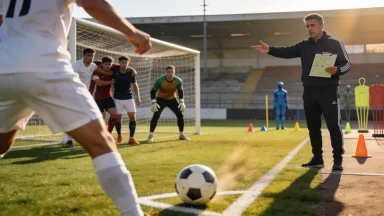
The current US Open Cup has seen a remarkable 18% of its goals scored in the final 10 minutes, a phenomenon driven by tactical adjustments, player fatigue, and the intense pressure of late-game situations.
The beautiful game often reserves its most dramatic moments for the very end. In the current US Open Cup, an astonishing statistic has emerged: 18% of goals in the current US Open Cup have come in the final 10 minutes of play. This isn’t just a coincidence; it’s a compelling trend that warrants a deep dive into the underlying factors. What drives this late-game surge in scoring, and what does it tell us about the nature of competition in one of America’s oldest soccer tournaments?
The Psychology of the Final Whistle
As the clock ticks down in a soccer match, the psychological landscape for both teams undergoes a significant shift. The urgency to score or to hold onto a lead intensifies dramatically, leading to more open play and often, more opportunities for goals. This heightened emotional state can be a double-edged sword, inspiring brilliance or inducing critical errors.
Teams facing a deficit become increasingly desperate, pushing more players forward in an attempt to salvage a result. This offensive commitment inevitably leaves them more exposed at the back, creating fertile ground for counter-attacks. Conversely, teams protecting a lead might become overly cautious, inviting pressure and sometimes conceding due to a lapse in concentration or a moment of individual brilliance from the opposition.
Pressure Cooker Moments
The final minutes of a match are often dubbed ‘squeaky-bum time’ for a reason. The pressure on players is immense, influencing every decision and action. This can manifest in several ways:
- Increased Risk-Taking: Players are more likely to attempt audacious passes, shots from distance, or dribbles into crowded areas.
- Mental Errors: Fatigue, combined with pressure, can lead to miscommunication, misplaced passes, or defensive blunders.
- Heroic Efforts: Conversely, the desperation can spark incredible individual performances, with players pushing past their perceived limits.
Understanding this psychological dynamic is crucial to comprehending why so many goals are netted in these critical moments. It’s a testament to the mental fortitude required in professional soccer, where the game is rarely truly decided until the referee blows the final whistle.
Tactical Shifts and Strategic Gambles
Coaches play a pivotal role in the late-game drama, often making tactical adjustments that directly contribute to the increased goal count. These changes are usually born out of necessity, driven by the scoreline, remaining time, and the physical state of the players on the field. Bringing on fresh legs or switching formations can inject new life into an attack or shore up a wavering defense.
When a team is trailing, it’s common to see a shift from a more balanced formation to an all-out offensive approach. This might involve substituting a defender for an attacker, pushing full-backs higher up the pitch, or even instructing center-backs to join the attack on set pieces. These strategic gambles are designed to create numerical advantages in the attacking third, increasing the probability of scoring.
Impact of Substitutions
Substitutions are a key tactical weapon in the final stages. A fresh attacker, full of energy and eagerness, can exploit tired defenders. Similarly, a defensive-minded substitution can be made to protect a lead, though this can sometimes backfire by inviting more pressure. The timing and choice of substitutes can profoundly alter the momentum of a match.
- Fresh Legs: Substitute players bring renewed energy, often leading to faster runs and sharper decision-making.
- Direct Play: Teams often resort to more direct, long-ball tactics, bypassing the midfield to get the ball into dangerous areas quickly.
- Set Piece Focus: Corners and free kicks become even more critical, with teams committing more players forward to win aerial duels.
These tactical shifts are not without risk. While they can lead to late goals, they also open up vulnerabilities. The balance between offense and defense becomes razor-thin, making the final minutes a true test of a coach’s strategic acumen and a team’s ability to execute under pressure.
Player Fatigue and Defensive Lapses
Ninety minutes of intense, high-stakes soccer takes a tremendous toll on a player’s body. By the final 10 minutes, fatigue is a significant factor that impacts decision-making, physical execution, and overall concentration. This physiological reality is a major contributor to the surge in late goals in the US Open Cup.
Tired legs mean slower reactions, less accurate passes, and reduced jumping ability. Defenders, who have been tracking attackers for the majority of the match, may find themselves a step behind, unable to close down space effectively or anticipate runs. This creates gaps and opportunities that attackers, even those also fatigued, are often keen to exploit.
Consequences of Exhaustion
The cumulative effect of physical and mental exertion is evident in common late-game errors:
- Poor Marking: Defenders lose track of their assignments, allowing attackers free runs into the box.
- Sloppy Tackles: Fatigue can lead to mistimed challenges, resulting in fouls in dangerous areas or even penalties.
- Goalkeeper Errors: Concentration lapses can affect goalkeepers, leading to fumbled saves or misjudged crosses.
It’s not just physical fatigue; mental fatigue plays an equally important role. The constant need to make split-second decisions under pressure can wear down even the most experienced players. This combination of physical and mental exhaustion creates a volatile environment where defensive stability can crumble, paving the way for dramatic late goals.
The ‘Never Give Up’ Mentality and Momentum Swings
Soccer is a game of momentum, and the final 10 minutes often see dramatic shifts in psychological advantage. A team that has been pressing relentlessly might finally break through, or a team holding a slender lead might crack under sustained pressure. This ‘never give up’ mentality is a hallmark of competitive sports and is amplified in knockout tournaments like the US Open Cup.
When a team scores a late goal, the psychological boost is immense. The crowd erupts, players are visibly energized, and the opposition can be visibly deflated. This sudden swing in momentum can create a snowball effect, leading to further opportunities and sometimes, even more goals in quick succession. The belief that a game is never truly over until the final whistle drives players to continue fighting, even when the odds seem stacked against them.
Fan Influence and Home Advantage
The roar of the crowd can also play a significant role in these late-game scenarios. A home crowd, sensing a potential comeback or urging their team to hold on, can provide a crucial psychological lift. This collective energy can inspire players to push harder, run faster, and make that extra effort that can turn the tide of the match.
The US Open Cup, with its diverse range of teams from various leagues and its single-elimination format, often produces unexpected results and dramatic finishes. The stakes are high in every match, intensifying the importance of every minute, especially the last ten. This inherent drama fuels the ‘never give up’ attitude that so often leads to late goals.
Statistical Anomalies vs. Consistent Patterns
While the 18% figure for goals in the final 10 minutes of the US Open Cup might seem like a statistical anomaly at first glance, it’s important to consider whether this is a one-off occurrence or part of a broader, consistent pattern in soccer. Data from various leagues and tournaments often indicates a higher propensity for goals in the dying minutes of a game, suggesting that these factors are universally applicable.
Analyzing historical data from previous US Open Cups, as well as other major soccer competitions, can provide valuable context. If this trend is consistently observed, it reinforces the idea that tactical adjustments, player fatigue, and psychological pressure are indeed primary drivers. Conversely, if the current US Open Cup stands out significantly, it might suggest unique characteristics of this particular tournament or season, such as a higher number of evenly matched teams or particular refereeing patterns.
Data-Driven Insights
Further statistical breakdown could reveal even more nuanced insights:
- Type of Goal: Are these late goals primarily from open play, set pieces, or penalties?
- Team Standings: Do stronger teams tend to score more late goals against weaker opponents, or are they often conceded when protecting a lead?
- Opponent Strength: Is there a correlation between the strength of the opposing team and the likelihood of scoring or conceding late?
Understanding whether this 18% is a statistical outlier or a reflection of fundamental soccer dynamics helps in predicting future outcomes and appreciating the intricate nature of the sport. It’s a fascinating area of study that combines quantitative analysis with qualitative observations of human performance under pressure.
Implications for Coaching and Fan Experience
The high percentage of late goals in the US Open Cup has significant implications for both coaches and the fan experience. For coaches, it underscores the importance of maintaining tactical discipline and physical conditioning until the very last whistle. Training regimens might need to incorporate more late-game simulation, focusing on decision-making under fatigue and pressure.
Coaches must also strategize their substitutions carefully, understanding that fresh legs in the final minutes can be game-changers. The ability to adapt tactics on the fly, whether to press for a winner or defend a lead, becomes paramount. This data provides tangible evidence that games are rarely decided before the 90-minute mark, reinforcing the need for sustained effort and focus.
Enhanced Fan Engagement
For fans, this trend only adds to the excitement and unpredictability of the US Open Cup. Knowing that a significant portion of goals occur in the final 10 minutes keeps spectators on the edge of their seats until the very end. This drama is a major draw for soccer, creating memorable moments and fostering intense emotional connections with the sport.
- Increased Excitement: Late goals provide thrilling finishes and often unexpected plot twists.
- Sustained Engagement: Fans remain fully invested in the match, knowing a result can change at any moment.
- Memorable Moments: Last-minute winners or equalizers become legendary in the annals of cup history.
The phenomenon of late goals transforms every match into a potential nail-biter, making the US Open Cup an even more compelling spectacle. It’s a testament to the enduring appeal of soccer, where the narrative of a game can shift dramatically in a matter of seconds, right up until the final whistle.
| Key Aspect | Brief Description |
|---|---|
| Psychological Impact | Urgency and pressure intensify, leading to increased risk-taking and potential errors. |
| Tactical Adjustments | Coaches make offensive substitutions and formation changes to chase or protect a lead. |
| Player Fatigue | Physical and mental exhaustion contribute to defensive lapses and slower reactions. |
| Momentum Swings | Late goals create psychological shifts, energizing one team and deflating the other. |
Frequently Asked Questions About US Open Cup Goals
Late goals are common due to a combination of factors: increased tactical risk-taking by teams, player fatigue leading to defensive errors, and the psychological pressure of the game’s closing moments. Teams chasing a result will commit more players forward, creating space for counter-attacks or direct offensive plays.
Yes, the single-elimination format of the US Open Cup significantly heightens the stakes. Every match is do-or-die, intensifying the urgency for teams to score, especially as the clock winds down. This knockout nature encourages more aggressive play in the final minutes compared to league games.
Substitutions are crucial. Bringing on fresh, energetic players can revitalize an attack or shore up a defense. A new attacker can exploit tired defenders, while a tactical substitution can change the formation to either press for a goal or defend a lead more effectively in the decisive final moments.
While 18% is a notable figure, a higher percentage of goals in the final minutes is a common statistical trend across many soccer leagues and tournaments globally. The specific percentage may fluctuate, but the general pattern of increased scoring towards the end of matches is well-documented due to universal game dynamics.
Fan support can be a significant psychological factor. A vocal home crowd, urging their team forward or celebrating a goal, can provide a massive boost of morale and energy to players. This collective enthusiasm can inspire heroic efforts and influence the momentum of the game in the critical final stages.
Conclusion
The remarkable statistic that 18% of goals in the current US Open Cup have come in the final 10 minutes is far from a mere coincidence; it’s a powerful indicator of the multifaceted pressures and dynamics at play in modern soccer. From the psychological intensity that grips players as the clock ticks down, to the calculated tactical gambles made by coaches, and the undeniable impact of player fatigue, every element converges to create a fertile ground for late-game drama. This trend not only highlights the resilience and determination inherent in the sport but also significantly enhances the spectator experience, ensuring that every US Open Cup match remains captivating until the very last whistle.