
U.S. host cities preparing for global soccer tourism are upgrading airports, transit, hotels, fan zones and emergency plans to ensure smooth arrivals, fair pricing, local hiring and lasting infrastructure benefits for residents and visitors during major international matches.
U.S. host cities preparing for global soccer tourism face a fast-paced countdown: new transit routes, hotel surges and revamped fan zones. Curious how this will affect costs, crowd flow and where fans gather? This guide points out what travelers can watch and how to plan smarter.
Infrastructure and transport: airports, trains and crowd mobility
U.S. host cities preparing for global soccer tourism are retooling airports, stations and streets to handle waves of fans. The goal is smoother flow and less stress for travelers.
City teams map routes, add staff, and test systems so fans find seats, shuttles and hotels with ease.
Airport upgrades for fast arrivals and departures
Terminals are adding temporary lanes and clear signs. Extra staff help with check-in and rebookings for delayed flights.
- Airports set up dedicated fan lanes at security to speed screening.
- Expanded baggage handling and mobile check-in reduce lines.
- Shuttle pickup zones link terminals to stadiums and fan zones.
Staff training focuses on crowd etiquette and quick information. Clear wayfinding cuts confusion for visitors unfamiliar with the city.
Transportation hubs share live updates with apps so travelers can adjust plans on the fly.
Coordinating trains and local transit
Rail operators run extra services before and after matches. Timetables sync with event schedules to avoid bottlenecks.
Integrated ticketing makes it easy to switch from trains to buses or shuttles with one pass. Riders see capacity alerts and wait times in real time.
Managing crowd mobility around venues
Designated walking routes and temporary barriers guide fans safely between transit stops and gates. Volunteers and marshals help keep lines moving.
- Digital signage shows platform changes and crowding levels.
- Pop-up information centers answer travel and safety questions.
- Mobile alerts inform fans of delays and best exit routes.
Emergency lanes and clear access for first responders remain a priority. Accessibility paths are marked and staffed for fans with mobility needs.
Crowd mobility plans combine physical changes with tech tools to reduce delays and improve safety. When transport, signage and staffing work together, movement is steady and calm.
Good planning makes travel part of the fan experience. Expect clearer routes, faster transfers and more reliable service during major matches.
Accommodation and hospitality: scaling hotels, short‑term rentals and pricing
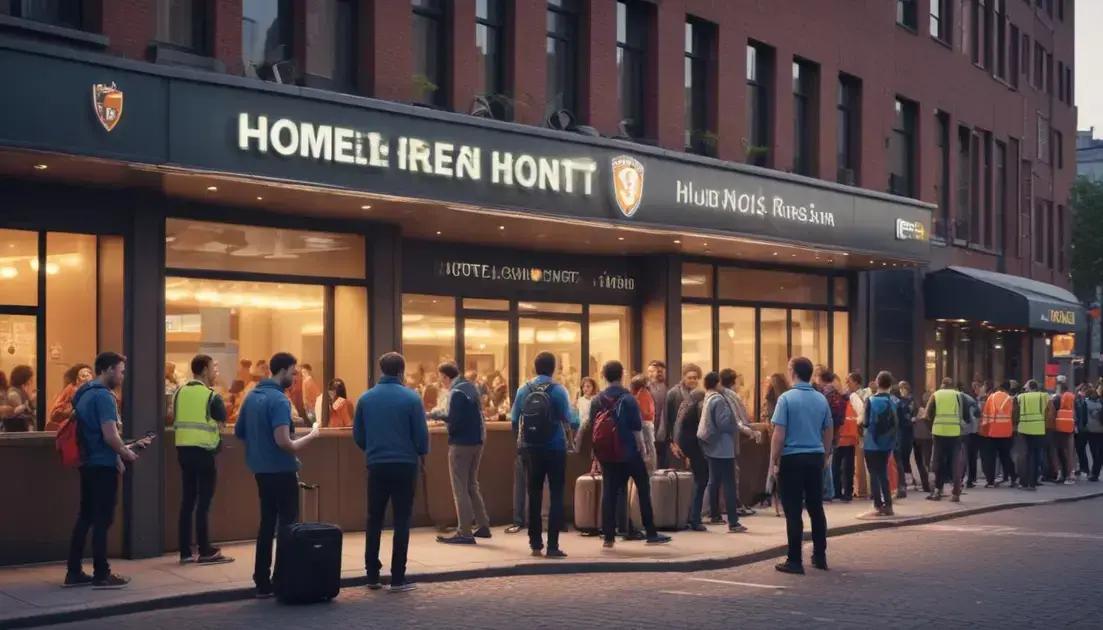
U.S. host cities preparing for global soccer tourism are expanding rooms and services so fans find a place to stay without last-minute chaos.
This section covers how hotels scale, how short-term rentals fit in, and what pricing moves travelers should expect.
Scaling hotel capacity and partnerships
Hotels often add temporary rooms, convert meeting spaces, or partner with nearby properties. Chains coordinate with event planners to block inventory for fans and teams.
Staffing is boosted with seasonal hires and cross-trained teams to handle check-ins, luggage and guest questions faster.
Managing short-term rentals and neighborhood impact
Cities work with platforms to register listings, check safety standards, and limit overflow in residential areas. Hosts may be required to meet cleanliness and accessibility rules.
- Hotels offer bundled packages with transit and match-day perks to compete.
- Platforms enforce verified IDs and local rules to reduce illegal rentals.
- Local permits and caps protect residents from year-round disruption.
Hosts and hotels alike emphasize contactless check-in and clear cancellation policies. These steps reduce friction when travel plans change.
Pricing strategies include early-bird rates, capped surge pricing zones, and fan packages that lock a rate for the event window. Travelers who book early usually pay less.
City officials encourage transparent fees and optional traveler insurance. Clear price displays help fans compare options fast.
Quality control matters: consistent cleaning, reliable Wi‑Fi, and quiet rooms help fans rest before and after matches. Accessible rooms and family-friendly options should be clearly listed.
Hotels coordinate with local transport and fan zones to offer shuttle passes or late checkout for tired travelers. Small perks go a long way to improve the stay.
Hosts must communicate house rules, noise limits and check-in windows. Simple, friendly guidance keeps neighborhoods calm and guests informed.
Accommodation planning blends capacity, rules and fair pricing so visitors have safe, predictable stays. When cities, platforms and properties work together, fans get choices and locals keep their neighborhoods livable.
Fan experience and safety: ticketing, fan zones and emergency planning
U.S. host cities preparing for global soccer tourism are redesigning the fan experience to keep people safe and happy. Clear ticketing, smart fan zones and solid emergency planning cut confusion.
Good plans make lines move, keep families comfortable, and give quick help when needed.
Ticketing and entry flows
Digital ticketing with timed entry reduces crowd spikes at gates. Scanners at multiple lanes speed entry and cut fake-ticket risks.
Staff at each gate give clear instructions. Separate lines for families, accessibility, and large groups keep movement steady.
Designing fan zones for comfort and control
Fan zones offer food, seating and big screens while keeping capacity limits. Layouts use wide paths and staged entrances to avoid bottlenecks.
- Clear signage guides fans to restrooms, first aid and exits.
- Security checkpoints balance thorough checks with quick flow.
- Designated quiet and family areas reduce stress for vulnerable fans.
Volunteers and staff wear visible gear and share updates on PA systems and apps. Shade, water stations and seating help prevent heat problems during long waits.
Coordination with transit schedules and shuttle pick-ups ties fan zones to transport, so fans arrive and leave in smaller groups. Crowd counting sensors and CCTV help managers spot congestion early.
Emergency planning and medical readiness
Medical tents, trained first responders, and easy ambulance access are placed near fan zones and gates. Plans map multiple evacuation routes and safe reunification points for lost visitors.
Communication plans use apps, SMS and loudspeakers to send clear, calm instructions. Simple messages work best in noisy, crowded settings.
Accessibility is part of safety: ramps, tactile guides and staffed assistance points make movement easier for fans with mobility or sensory needs. Regular drills with transport and police improve real-time response.
Fan experience and safety hinge on simple systems: timed tickets, clear zones, visible help and tested emergency plans. When cities plan for people first, travel, arrival and the match feel smoother for fans and safer for communities.
Economic impact and local planning: jobs, small businesses and post-event legacy
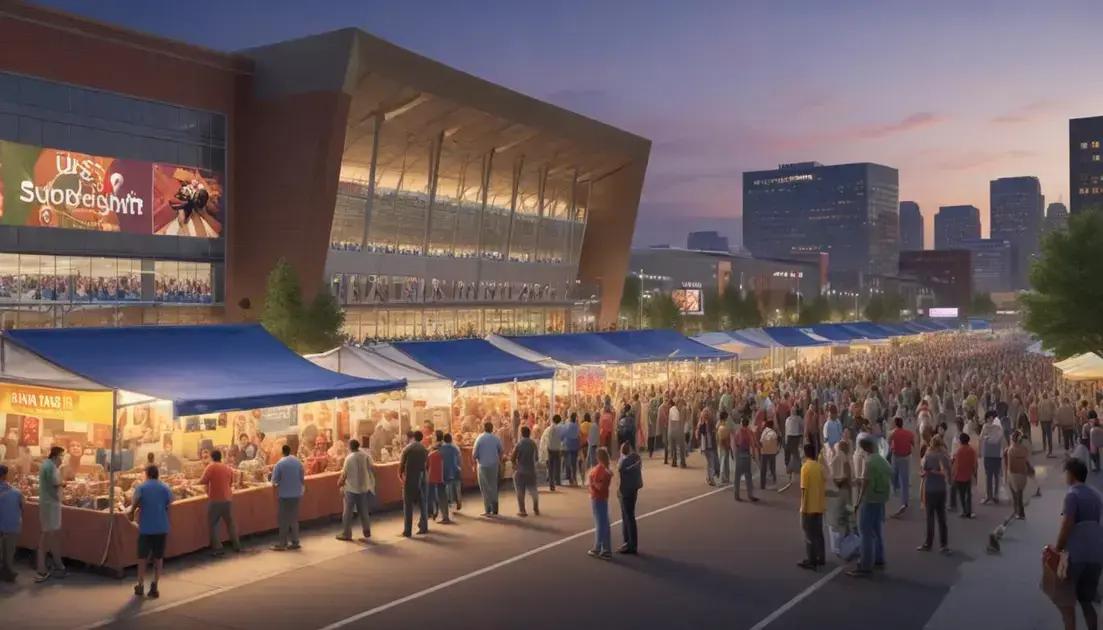
U.S. host cities preparing for global soccer tourism can see a quick boost in jobs and local sales. Smart planning turns short-term hustle into lasting value.
Cities balance immediate demand with long-term goals so neighborhoods benefit after the final whistle.
jobs and workforce development
Events create roles in hospitality, security, transit and retail. Many are seasonal, but training can make them permanent.
Programs that teach customer service, language skills and venue operations help residents keep work after the event ends.
- Temporary hires for events that may shift to full-time with ongoing tourism.
- Apprenticeships in event operations that link to local employers.
- Cross-training so workers fit multiple roles across sectors.
Partnering with community colleges and job centers speeds up hiring and ensures fair wages. Clear hiring goals help residents see real benefit.
supporting small businesses and the supply chain
Local shops and vendors get more customers when fans arrive. Cities can ease access so small firms supply food, merchandise and services.
- Permits for pop-up stalls near fan zones to capture match-day sales.
- Grants or low-interest loans for businesses to expand inventory.
- Matchmaking events that connect vendors with stadium caterers and hotels.
Small businesses must plan stock, staff and payment systems for big crowds. Clear guidance from city agencies reduces surprises.
Coordination helps local suppliers meet demand without overextending. Sustainable sourcing and fair contracts protect small firms long term.
tax revenue, investments and post-event legacy
Ticket sales, hotel stays and transport fares raise city revenue. Officials often ring-fence funds for community projects.
Investments in public transit, parks and lighting can serve residents for years. But without reuse plans, some assets risk underuse.
- Design multi-use facilities that host sports, concerts and markets after the event.
- Use event profits to fund local infrastructure upgrades and small grants.
- Measure outcomes with jobs created, business revenue and return visits.
Transparent budgets and community input increase trust. When residents see clear benefits, support for future events grows.
Economic impact depends on planning: jobs that last, small businesses that grow, and smart reuse of venues. With targeted policies, a single event can leave a positive legacy for years.
U.S. host cities preparing for global soccer tourism can turn a busy event into lasting benefit by coordinating transport, lodging, fan safety, and local hiring. With clear plans and community input, matches can boost jobs, protect neighborhoods, and make travel smoother for fans.
FAQ – U.S. host cities preparing for global soccer tourism
What transport options should visiting fans expect?
Expect extra trains, shuttle buses, and dedicated fan lanes at airports. Check city transit apps for real-time schedules and timed entry suggestions.
How can I avoid high accommodation prices?
Book early, look for bundled packages with transit, and compare hotels with verified short-term rentals. Consider nearby neighborhoods with shuttle access.
What safety measures are in fan zones and at stadiums?
Fan zones use timed entry, clear signage, medical tents, visible staff and crowd sensors. Follow posted rules and use official apps for alerts.
How can visitors support local businesses during the event?
Buy from local vendors, dine at nearby restaurants, and use small shops for souvenirs. Look for pop-up markets and official vendor lists to ensure local benefit.