From Training Ground to Glory: 4 Drills for 2026’s Highlight Reels
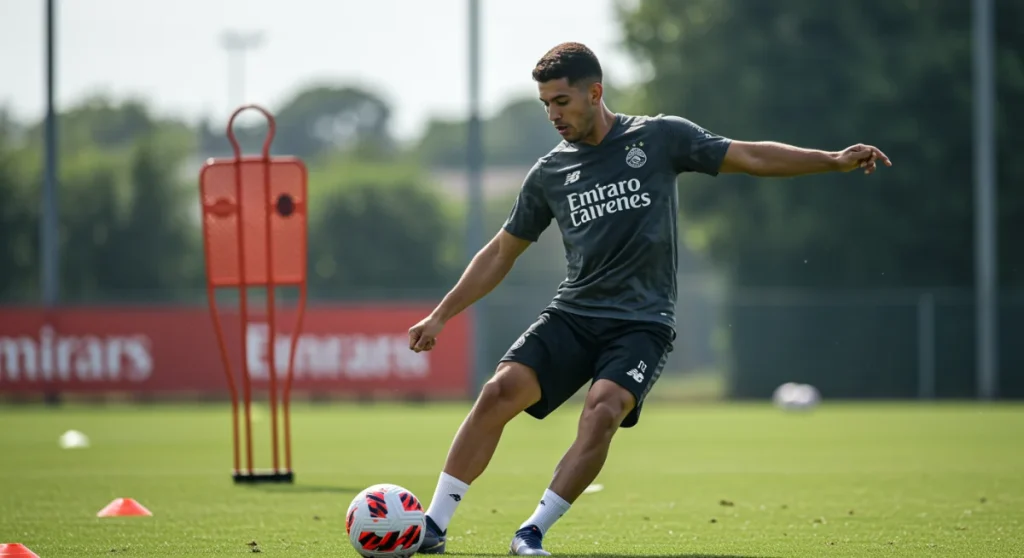
The path from humble practice fields to global recognition is paved with dedication and innovative training. In 2026, four specific drills stood out, directly correlating with the breathtaking highlight reel moments that captivated fans worldwide, proving that glory truly begins in the training ground.
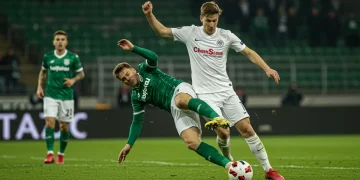
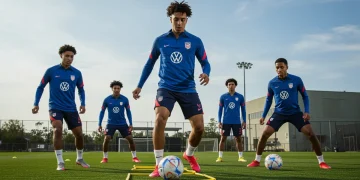
Every professional athlete dreams of those iconic moments that define a career—the impossible goal, the game-saving tackle, the assist that defies logic. In 2026, the soccer world witnessed an unprecedented surge in such spectacular plays, many of which can be directly traced back to the rigorous and innovative routines forged on the training ground. This article delves into the four pivotal drills that cultivated these breathtaking performances, demonstrating how dedication in practice translates to unforgettable on-field brilliance. From intricate passing sequences to explosive finishing techniques, these training ground innovations were instrumental in creating the incredible highlight reel moments of 2026.
The “Shadow Striker” Finishing Circuit
The year 2026 saw a remarkable number of strikers converting seemingly impossible chances into goals. This wasn’t by accident; it was the result of a highly specialized training regimen known as the “Shadow Striker” finishing circuit. This drill was designed to simulate high-pressure, chaotic game scenarios, forcing players to make split-second decisions under duress. It emphasized not just power, but precision, composure, and an understanding of spatial awareness in the box. The circuit often involved multiple phases, pushing players to their physical and mental limits.
Dynamic Entry and First Touch
The initial phase of the Shadow Striker circuit focused on receiving the ball in tight spaces and executing a perfect first touch. Coaches would send passes from various angles and speeds, often with defenders (or mannequins) providing immediate pressure. The goal was to control the ball instantly and set up for a shot or a quick pass, minimizing any wasted movement. This honed players’ ability to react swiftly and efficiently, turning potential turnovers into scoring opportunities.
- Receiving under pressure: Players learned to shield the ball and maintain possession.
- Directional first touch: Instantly turning the ball into space for an immediate advantage.
- Body positioning: Optimizing stance for quick turns and shots.
Rapid-Fire Decision Making
Following the first touch, players faced scenarios requiring rapid decision-making. Would they shoot immediately, pass to a teammate, or dribble past an imaginary defender? Cones and small goals were often used to create complex situations, with coaches calling out instructions or changing targets on the fly. This fostered an intuitive understanding of offensive plays, allowing players to adapt and exploit defensive weaknesses in real-time. The pace was relentless, mirroring the intensity of a match’s crucial moments.
The Shadow Striker drill wasn’t just about scoring; it was about building a complete attacking mindset. It instilled confidence in players to take risks and execute audacious shots, knowing they had practiced these exact situations hundreds of times. This mental fortitude, combined with perfected technique, directly contributed to the awe-inspiring goals that filled highlight reels throughout 2026, making players look like true masters of their craft in front of goal.
The “Maestro’s Maze” Dribbling Challenge
Ball control and audacious dribbling became a hallmark of 2026’s most memorable plays, largely thanks to the “Maestro’s Maze” dribbling challenge. This drill moved beyond simple cone weaving, incorporating variable surfaces, unpredictable obstacles, and simulated defensive pressure to push players’ close control to the absolute limit. It was about developing an almost telepathic connection with the ball, allowing players to navigate congested areas with elegance and efficiency, turning defenders inside out.

This innovative training method recreated the unpredictability of a live game. Instead of fixed patterns, coaches would rearrange obstacles mid-drill, or even introduce soft obstacles that reacted to contact, forcing players to constantly adjust their dribbling lines and pace. The focus was on keeping the ball glued to their feet, even when vision was obscured or space was minimal. It cultivated a sense of spatial awareness that allowed players to operate effectively in tight areas, a crucial skill for creating attacking opportunities.
Variable Speed and Directional Changes
A core component of the Maestro’s Maze was the emphasis on changing speed and direction seamlessly. Players weren’t just dribbling; they were accelerating, decelerating, and executing sharp turns with the ball, often without looking down. This developed a heightened sense of peripheral vision and trust in their touch. The drill would often transition from slow, intricate movements to explosive bursts of speed, mimicking how players might break free from a crowded midfield.
- Explosive acceleration: Bursting past a defender after a deceptive slow dribble.
- Tight turns: Executing pivots and feints in minimal space.
- Ball shielding: Protecting the ball effectively while changing direction.
The Maestro’s Maze wasn’t about flashy tricks; it was about functional dribbling that served a purpose: retaining possession, creating space, and advancing the ball. The players who mastered this challenge demonstrated an uncanny ability to glide past opponents, opening up defenses and providing the assists or pre-assists that led to many of 2026’s most spectacular goals. Their confidence on the ball, even under intense pressure, was a direct testament to the effectiveness of this demanding drill.
The “Visionary Vortex” Passing Network
The intricate, flowing passing moves that carved open defenses in 2026 often originated from a drill known as the “Visionary Vortex.” This wasn’t just about accurate passing; it was about developing a collective understanding of movement, space, and timing, allowing teams to unlock defenses with seemingly effortless sequences. The drill emphasized quick, one-touch passing, off-ball movement, and anticipating the next two or three passes, not just the immediate one.
The Visionary Vortex involved multiple players in a confined space, often with numerical superiority for the attackers, simulating offensive overloads. Players had to constantly scan the field, communicate non-verbally, and execute precise passes to teammates who were always on the move. The drill often progressed from simple triangles to complex patterns involving overlaps, underlaps, and decoy runs, all designed to disorient imaginary defenders and create openings.
Anticipatory Movement and Through Balls
A key focus of the Visionary Vortex was anticipatory movement. Players were trained to move into space before receiving the ball, and passers were encouraged to play through balls into the path of a running teammate, rather than directly to their feet. This required exceptional timing and vision, allowing for seamless transitions from defense to attack and creating high-quality scoring chances. The ability to predict a teammate’s run and deliver a perfectly weighted pass became a hallmark of the most creative players.
- Weight of pass: Delivering the ball with the perfect speed and power.
- Off-ball runs: Creating space for self and teammates.
- Scanning the field: Constantly checking for defensive gaps and teammate positions.
The fluid, almost telepathic connections seen between players in 2026 were a direct result of the hours spent perfecting the Visionary Vortex. It fostered a deep understanding of team dynamics and offensive strategies, allowing players to combine instinctively and produce breathtaking sequences that left opponents chasing shadows. These passing networks were not only effective but also incredibly beautiful to watch, making them prime candidates for highlight reels.
The “Acrobatic Aerial Assault” Drill
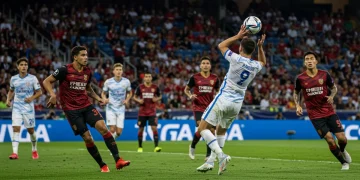
Headers and spectacular volleys became a significant source of goals and memorable moments in 2026, thanks to the “Acrobatic Aerial Assault” drill. This specialized training focused on improving players’ aerial prowess, not just in terms of heading accuracy and power, but also in developing the agility, balance, and timing required for mid-air finishes and clearances. It moved beyond static heading practice, incorporating dynamic jumps, contested aerial duels, and unpredictable ball trajectories.
The drill often involved cross-training elements, integrating gymnastic and plyometric exercises to enhance players’ jumping ability and core strength. Coaches would use various machines and techniques to deliver balls at different heights, speeds, and spins, forcing players to adapt their approach and body position rapidly. This prepared players for the chaotic nature of aerial balls in a game, where the flight of the ball is rarely perfectly predictable.
Dynamic Jumping and Body Control
A critical aspect of the Acrobatic Aerial Assault was mastering dynamic jumping and maintaining body control in the air. Players practiced timing their jumps to meet the ball at its highest point, often while being challenged by opposition. This also included drills for acrobatic finishes, such as bicycle kicks and diving headers, where perfect balance and spatial awareness were paramount. The ability to contort one’s body to make contact with the ball from awkward angles became a significant advantage.
- Jump timing: Meeting the ball at the apex of the jump.
- Core stability: Maintaining balance and power in mid-air.
- Neck strength: Generating power and accuracy for headers.
The spectacular aerial goals and clearances that peppered 2026’s highlight reels were a testament to the effectiveness of the Acrobatic Aerial Assault drill. Players who excelled in this training demonstrated not only incredible physical attributes but also a fearless determination to attack any ball in the air. This aerial dominance added another dimension to their game, making them formidable opponents and providing fans with unforgettable moments of athletic brilliance.
The “Defensive Dynamo” Interception Matrix
While offensive plays often grab the headlines, the unsung heroes of 2026 were the defenders who executed incredible interceptions and tackles, preventing crucial goals. The “Defensive Dynamo” Interception Matrix was the drill that forged these defensive titans. It focused on developing anticipation, positioning, and aggressive yet controlled tackling, turning defensive actions into offensive transitions. This drill moved beyond simple one-on-one defending, simulating complex defensive scenarios involving multiple attackers and passing lanes.
The matrix involved a grid system where attackers attempted to pass through designated zones, while defenders worked in coordinated units to shut down passing lanes and win back possession. Coaches would vary the number of attackers and defenders, as well as the size of the playing area, to create different levels of pressure and complexity. The emphasis was on intelligent pressing, cutting off supply lines, and immediately transitioning into attack upon winning the ball. This holistic approach to defending created a new breed of proactive defenders.
Reading the Game and Positional Awareness
A core element of the Interception Matrix was improving players’ ability to read the game. Defenders were trained to constantly scan the field, anticipate opponent’s passes, and adjust their body position to intercept the ball. This involved understanding offensive patterns, recognizing triggers for passes, and positioning themselves to cut off passing lanes effectively. The drill also focused on communication between defenders, ensuring coordinated pressing and coverage.
- Lane cutting: Anticipating and stepping into passing lanes.
- Body orientation: Positioning to both defend and transition quickly.
- Aggressive pressing: Closing down opponents quickly and intelligently.
The game-saving interceptions and perfectly timed tackles that became highlight-reel staples in 2026 were a direct result of the rigorous training in the Defensive Dynamo Interception Matrix. These defenders weren’t just reacting; they were actively disrupting opponent’s play, often turning defense into immediate counter-attacks. Their ability to consistently win back possession in critical areas provided the foundation for many of the year’s most exciting moments, proving that defensive brilliance is just as captivating as offensive flair.
The “Endurance Engine” High-Intensity Interval Training
The relentless pace and sustained high-level performance seen in many of 2026’s standout players were cultivated through the “Endurance Engine” High-Intensity Interval Training (HIIT). This wasn’t merely about running; it was about replicating the stop-and-go, explosive nature of a soccer match, pushing players’ cardiovascular and muscular endurance to new heights. The goal was to ensure players could maintain peak performance for the entire 90 minutes, and beyond, without a drop in technical execution or decision-making.
The Endurance Engine incorporated short bursts of maximal effort followed by brief recovery periods, mirroring game situations like sprinting to chase a through ball, recovering defensively, or making multiple overlapping runs. These drills often involved ball work, ensuring that technical skills were maintained even under extreme fatigue. This integration of physical and technical demands made the training incredibly effective, allowing players to perform at their best when it mattered most.
Game-Specific Movement Patterns
A unique aspect of this HIIT program was its focus on game-specific movement patterns. Instead of generic sprints, players would undertake drills that simulated defensive slides, offensive runs, changes of direction, and quick accelerations – all while interacting with the ball or reacting to coaching cues. This ensured that the endurance built was directly transferable to the demands of a competitive match, minimizing the risk of fatigue-induced errors in crucial moments.
- Explosive repeat sprints: Maintaining speed over multiple efforts.
- Lactate threshold training: Improving recovery between high-intensity actions.
- Technical execution under fatigue: Practicing skills when physically drained.
The ability of players to consistently make decisive runs in the 80th minute, or execute a perfect pass in extra time, was a direct testament to the Endurance Engine program. It allowed them to outlast opponents, maintain their technical prowess, and make those game-changing plays that often found their way onto highlight reels. This training ensured that physical conditioning was not just a baseline, but a competitive advantage, enabling sustained brilliance throughout the season.
The “Mind Game Mastery” Situational Play
Beyond physical and technical prowess, the mental resilience and tactical intelligence displayed in 2026’s top moments were honed through “Mind Game Mastery,” a series of situational play drills. This advanced training focused on improving players’ decision-making under extreme pressure, their ability to adapt to changing game states, and their psychological fortitude in critical moments. It was about developing a “football brain” that could read, react, and influence the game’s flow.
These drills often involved small-sided games with specific constraints or objectives, such as playing with a numerical disadvantage, practicing comebacks from a deficit, or defending a lead in the final minutes. Coaches would introduce unexpected scenarios, like a sudden red card simulation or a last-minute tactical switch, forcing players to think on their feet and communicate effectively. The emphasis was on problem-solving collectively and individually.
Pressure Simulation and Role Reversal
A key component of Mind Game Mastery was the simulation of high-pressure environments. This included drills where the stakes were artificially raised, perhaps with a consequence for losing, or where players had to perform under intense time limits. Role reversal was also common, with attackers practicing defensive tactics and vice versa, fostering a deeper understanding of opponents’ intentions and overall game strategy. This holistic view of the game significantly enhanced tactical awareness.
- Decision-making under fatigue: Maintaining clarity when physically drained.
- Tactical flexibility: Adapting to different formations and strategies.
- Emotional regulation: Staying composed in high-stakes situations.
The incredible composure shown by players in clutch moments, the ability to turn a game around, or to hold firm under relentless pressure in 2026, were all products of the Mind Game Mastery drills. This training instilled a winning mentality and tactical sophistication that allowed players to not just perform, but to dominate the mental battle on the pitch. These moments of strategic brilliance and mental toughness were often the unseen forces behind the most spectacular highlight reels.
| Key Drill | Impact on 2026 Highlights |
|---|---|
| Shadow Striker Circuit | Led to exceptional, high-pressure finishing and audacious goals. |
| Maestro’s Maze Dribbling | Cultivated incredible ball control and ability to navigate tight spaces. |
| Visionary Vortex Passing | Developed fluid, telepathic passing sequences that unlocked defenses. |
| Acrobatic Aerial Assault | Responsible for spectacular aerial goals and dominant defensive headers. |
Frequently Asked Questions About Elite Soccer Training
Training in 2026 became highly specialized, focusing on game-specific scenarios and integrating physical, technical, and mental aspects. Drills like the Shadow Striker and Maestro’s Maze directly simulated match pressure, enhancing decision-making and execution under duress, leading to more consistent highlight-reel plays.
While designed for elite performance, the principles behind these drills can be adapted for players at various levels. The core concepts of precision, speed, decision-making, and physical conditioning are universal. Youth academies and amateur teams can modify these drills to suit their players’ skill sets and developmental needs.
The most crucial element emphasized across these drills was the integration of technical skill with mental fortitude and situational awareness. It wasn’t just about performing a skill in isolation, but executing it flawlessly under game-like pressure, making split-second decisions, and understanding the broader tactical context.
Technology played a significant role. Advanced analytics helped identify key game situations and player movements, informing drill design. Wearable tech provided real-time feedback on performance, fatigue, and recovery, allowing coaches to fine-tune training loads and personalize programs for maximum effectiveness and injury prevention.
Yes, by simulating game intensity in a controlled environment, these drills can actually help prevent injuries. They build specific muscle groups, improve proprioception, and enhance players’ ability to react to sudden movements, preparing their bodies for the physical demands of competitive play and reducing the risk of unexpected strains or tears.
Conclusion
The year 2026 undeniably raised the bar for individual brilliance and team cohesion in soccer, delivering a plethora of unforgettable highlight reel moments. These spectacular displays were not mere flashes of luck or innate talent; they were the direct consequence of revolutionary training methodologies. The drills outlined above—the “Shadow Striker” for finishing, the “Maestro’s Maze” for dribbling, the “Visionary Vortex” for passing, and the “Acrobatic Aerial Assault” for aerial dominance, complemented by the “Defensive Dynamo” and “Endurance Engine”—collectively forged a new generation of players capable of performing wonders under pressure. They underscored a fundamental truth: true glory is cultivated long before the stadium lights illuminate the pitch, with every precise pass, every explosive sprint, and every audacious shot perfected on the training ground. As the sport continues to evolve, the emphasis on intelligent, integrated training will only grow, promising even more breathtaking moments in the years to come.