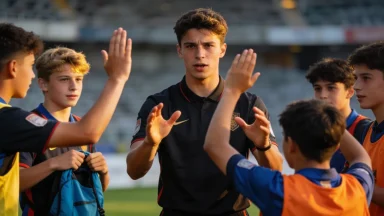
comeback players returning from long-term injuries should follow staged rehabilitation with objective tests, progressive load management, psychological support, and team-based return-to-play decisions to rebuild strength, confidence, and sport-specific capacity while minimizing reinjury risk.
comeback players returning from long-term injuries often worry about lost form and the right pace to get back. Want clear, practical steps and realistic timelines? This short guide shares markers, common pitfalls and simple strategies you can relate to.
how clinicians assess readiness and set realistic goals
comeback players returning from long-term injuries need clear signs that they are ready to increase training. Clinicians use tests and simple goals to guide each step.
This section shows common assessments, what to track, and how realistic goals are set.
Objective tests and functional assessments
Clinicians use easy, repeatable tests to measure progress. Tests focus on strength, balance, and movement quality.
Common checks include single-leg hop distance, isometric strength comparisons, and range-of-motion screens. These give clear numbers to compare against baseline or the uninjured side.
clinician judgment and patient-reported measures
Beyond numbers, clinicians value how the athlete feels and performs day to day. Simple questionnaires and pain scales help track confidence and symptoms.
- Consistent pain level: pain does not increase with normal training.
- Strength symmetry: injured side reaches around 90% of the uninjured side.
- Sport-specific control: movements are clean and repeatable under load.
- Session tolerance: the athlete recovers well between sessions.
When clinicians combine test results with the athlete’s feedback, they form a realistic picture of readiness. This mix helps avoid rushing back too soon or delaying progress unnecessarily.
Setting goals is a collaborative process. Clinicians break long-term aims into short, measurable steps. Each step focuses on a clear skill or tolerance level, such as steady increases in running time or controlled strength gains.
Good goals are specific, measurable, and time-bound. They might read: “increase single-leg hop distance by 10% in four weeks” or “complete two weekly sport-specific sessions without symptom flare.” These targets keep rehab focused and honest.
Regular rechecks matter. Small tests every one to two weeks show if a goal is realistic or needs adjusting. Clinicians watch for steady trends rather than single good or bad days.
Communication is key. Athletes who report worries or sudden soreness help clinicians tailor progression. Open, simple updates speed recovery and reduce setbacks.
In practice, readiness is a balance of objective scores, symptom stability, and functional confidence. Using clear tests and shared goals helps clinicians guide safe, steady returns to play.
phases of rehabilitation: from early recovery to sport-specific work
comeback players returning from long-term injuries follow clear phases to rebuild strength and skill. A staged plan helps reduce setbacks and keeps progress steady.
Below we break the rehab into practical steps, from early care to sport-specific drills, with simple goals you can track.
early recovery: protect and restore
In the first days or weeks, the focus is on pain control and safe movement. Clinicians use gentle range-of-motion work and basic strength exercises.</p
Simple tasks like controlled walking, light joint mobility, and breathing exercises set a safe base for more work.
building capacity: strength and control
Once pain is stable, the program shifts to rebuild muscle and control. Exercises move from isolated muscle work to functional patterns.
- Start with low-load strength: band work and slow single-joint lifts.
- Add balance and proprioception drills to improve joint awareness.
- Increase repetitions before adding heavy load to ensure quality movement.
Clinicians aim for gradual gains. Tracking repetitions, load, and pain lets them adjust each week. Small wins—more reps, cleaner movement—show real progress.
Work on movement quality always beats rushing weight. Teach the body to move correctly under easy conditions, then raise the challenge slowly.
progressive loading and sport skills
After basic strength, training shifts to sport demands. This phase adds speed, change of direction, and power work that mirror play.
Start with controlled drills: light jogging, short accelerations, and agility patterns at low intensity. Increase volume and intensity only when the athlete tolerates sessions well.
- Progress from walking to jogging to sprint strides based on tolerance.
- Use controlled cutting drills at reduced speed before full-effort changes.
- Include strength sessions that mimic sport actions, like single-leg hops or resisted sprints.
Monitoring fatigue and soreness helps decide the pace. If symptoms spike after a session, scale back the next day and repeat the step more slowly.
final prep: match simulation and confidence
The last phase blends physical readiness with mental confidence. Practice full-speed drills, small-sided play, and sport-specific decision-making.
Clinicians and coaches use staged scrimmage time and objective markers—endurance tests, power measures, and skill accuracy—to judge readiness.
Set short, clear goals like completing two full-intensity sessions in a week with no symptom flare. These targets make the final steps measurable and less vague.
Throughout all phases, good communication matters. Athletes who share pain trends and fatigue help clinicians tailor progress and avoid setbacks.
Phased rehab that builds from protection to full sport work gives the best chance for a safe return. Steady tests, clear goals, and honest feedback keep the plan realistic and effective.
progressive training, load management and injury prevention strategies
comeback players returning from long-term injuries should follow a clear plan that raises training slowly. Gradual increases protect the body and build steady gains.
Here we cover stepwise training, easy ways to track load, and practical prevention tips you can use each week.
Principles of progressive training
Start with clear, small goals that match current capacity. Change one variable at a time: volume, intensity, or frequency.
Keep sessions focused on quality. Clean movement and pain-free practice matter more than heavy loads early on.
Monitoring load: simple metrics
Use a few easy measures to guide progression instead of guessing. Track what the athlete tolerates day to day.
- Session RPE: a simple 1–10 score after each session to gauge effort and strain.
- Duration and distance: note time, reps, or meters to compare week to week.
- Objective tests: short jump, sprint times, or strength checks show trends.
Look for steady trends rather than single good or bad days. If effort rises but performance falls, the plan needs adjusting.
Include rest and deload weeks to let adaptation happen. Small step-backs prevent overload and keep progress long term.
Injury prevention strategies to use
Combine strength, control, and movement variety to lower risk. Work that targets weak links pays off in play.
- Strength work: single-leg and core exercises to improve force transfer.
- Neuromuscular drills: balance, change-of-direction practice, and reactive tasks.
- Recovery basics: good sleep, nutrition, and planned easy days.
Rotate drills and add sport-like actions slowly. Varying tasks helps tissues adapt to different demands and reduces repetitive stress.
Communicate often. Simple questions about soreness, sleep, and mood help clinicians spot early warning signs.
Use clear, measurable steps: small load increases, regular checks, and mix of strength and skill work. This approach helps protect gains and lowers the chance of a setback for athletes returning from long-term injury.
mental recovery, confidence rebuilding and the return-to-play decision
comeback players returning from long-term injuries often face fear and doubt as much as physical limits. Tackling confidence and clear choices helps move them forward.
recognizing common mental hurdles
Fear of reinjury, loss of form, and pressure to perform are common. These feelings can slow progress even when the body is ready.
Clinicians and coaches watch behavior: hesitancy in drills, reduced effort, or avoiding contact are red flags that need simple, direct attention.
strategies to rebuild confidence
Use small, measurable wins to restore trust in the body. Short drills with clear success markers work better than vague goals.
- Start with low-risk tasks and increase difficulty only after consistent success.
- Track small metrics like clean repetitions or pain-free minutes to show progress.
- Use visualization and controlled exposure to simulate game moments safely.
Talk through fears openly. Short, honest check-ins after sessions let clinicians adjust plans and reassure the athlete.
practical steps for shared return-to-play decisions
Decisions should be a team process. Athletes, clinicians, and coaches share objective tests, symptoms, and the athlete’s confidence level.
Set clear thresholds that combine physical markers and mental readiness, such as completing full-speed drills plus reporting high confidence scores for several sessions.
- Use simple scales for confidence and pain after each session.
- Require repeated success across sessions, not just a single good day.
- Plan staged exposure to contact or competition settings before full return.
Keep communication honest and regular. When the athlete feels heard and sees steady data, trust in the plan grows. This steady progress helps balance physical readiness with the mental strength needed to play again.
Recovery for comeback players returning from long-term injuries works best when teams use staged plans, simple tests, and open communication. Track small wins, raise load gradually, and rebuild confidence with clear, measurable steps to lower the risk of setbacks and support a safe return to play.
FAQ – comeback players returning from long-term injuries
How do clinicians assess my readiness to progress?
They combine objective tests (strength, hop tests, range of motion), symptom tracking, and how well you recover between sessions to make decisions.
What are the main phases of rehabilitation and how long do they last?
Phases include early recovery, building capacity, progressive loading, and sport-specific work; timing varies by injury but often spans weeks to months with steady milestones.
How can I track training load simply and effectively?
Use session RPE (1–10), record duration or distance, and note reps or sets; track trends weekly rather than single days to guide progress.
What practical steps help rebuild confidence before returning to play?
Use small, measurable wins, graded exposure to sport tasks, visualization, and open talks with clinicians and coaches to reduce fear and build trust.