
The beautiful game of soccer has captivated audiences worldwide, and Major League Soccer (MLS) in the United States and Canada is no exception. Over the past decade, MLS has experienced phenomenal growth, not just in terms of fan base and financial investment, but also in the quality and depth of its coaching talent. A significant and increasingly celebrated aspect of this evolution is the rise of American MLS Coaches. No longer are foreign coaches the sole proprietors of tactical innovation and leadership within the league; homegrown talent is now shaping the future of American soccer from the sidelines.
The 2024 MLS season is proving to be a watershed moment, showcasing a new generation of American coaches who are not only holding their own against established international counterparts but are actively defining new benchmarks for success. These coaches, often veterans of the American soccer system as players or assistant coaches, bring a unique understanding of the league’s intricacies, player pools, and cultural nuances. Their ascent signifies a maturation of the sport in the region, reflecting a robust development pathway for coaching professionals.
This article delves deep into the strategic brilliance of these American MLS Coaches, examining the seven key strategies they are employing to achieve success in the highly competitive 2024 season. From tactical flexibility to leveraging analytics, and from fostering a strong team culture to prioritizing player development, these coaches are demonstrating a multifaceted approach to winning. Understanding these strategies offers invaluable insights into the future direction of MLS and the growing influence of American coaching philosophy.
1. Tactical Flexibility and Adaptability: The Modern American MLS Coach’s Hallmark
One of the most striking characteristics of successful American MLS Coaches in 2024 is their profound commitment to tactical flexibility. Gone are the days of rigid formations and unwavering game plans. The modern MLS demands coaches who can adapt their strategies not just from game to game, but often within the 90 minutes of a single match. This adaptability is crucial in a league characterized by diverse playing styles, varying field conditions, and the constant influx of international talent.
Successful American coaches are demonstrating mastery in deploying multiple formations – from a resolute 4-4-2 to an attacking 4-3-3, a possession-based 3-5-2, or a defensively solid 5-3-2 – depending on the opponent, the match situation, and the available player personnel. This isn’t just about changing numbers on a whiteboard; it’s about instilling a deep understanding of roles and responsibilities within each system, ensuring players can seamlessly transition between tactical setups without losing cohesion.
For example, some coaches have shown a remarkable ability to switch from a high-pressing system to a more conservative, counter-attacking approach within a half, effectively neutralizing opponent strengths and exploiting their weaknesses. This tactical fluidity requires not only a sophisticated understanding of the game but also excellent communication skills and a roster of intelligent, versatile players. The emphasis is on problem-solving during the game, empowering players to make on-field adjustments, and providing clear, concise instructions from the technical area. This strategic depth is a clear indicator of the evolving sophistication among American MLS Coaches.
2. Prioritizing Player Development and Pathway Integration
The long-term success of any soccer club, and indeed any league, hinges on its ability to develop talent from within. American MLS Coaches are increasingly recognized for their dedication to player development, particularly in integrating homegrown academy products into the first team. This strategy is not merely about nurturing young talent; it’s about creating a sustainable model for success that reduces reliance on expensive external transfers and fosters a stronger club identity.
Coaches are working closely with academy directors to ensure a consistent playing philosophy and training methodology across all age groups. They are implementing structured pathways for promising young players, providing them with opportunities to train with the senior squad, gain valuable minutes in MLS NEXT Pro, and eventually make their mark in MLS. This involves a delicate balance of challenging young players while providing the necessary support and mentorship to help them thrive.
The success stories are numerous: young American talents making significant impacts in MLS, often under the guidance of American MLS Coaches who understand the unique challenges and opportunities facing domestic players. This focus on internal growth not only strengthens the team on the field but also builds a loyal fan base that identifies with players who have come through the club’s system. It’s a testament to a long-term vision that extends beyond immediate results, aiming to build a legacy of talent development.
3. Leveraging Advanced Analytics and Sports Science
In the modern era of professional sports, data and science play an indispensable role in gaining a competitive edge. American MLS Coaches are at the forefront of embracing advanced analytics and sports science to inform their training methodologies, tactical decisions, and player management. This involves a sophisticated understanding of various metrics, from expected goals (xG) and possession percentages to player load management and injury prevention protocols.
Coaches are utilizing GPS tracking data to monitor player performance during training and matches, assessing work rate, sprint distances, and fatigue levels. This data helps optimize training sessions, tailor individual fitness programs, and make informed decisions about player rotation to prevent injuries and maintain peak performance throughout the demanding MLS season, which often involves extensive travel.
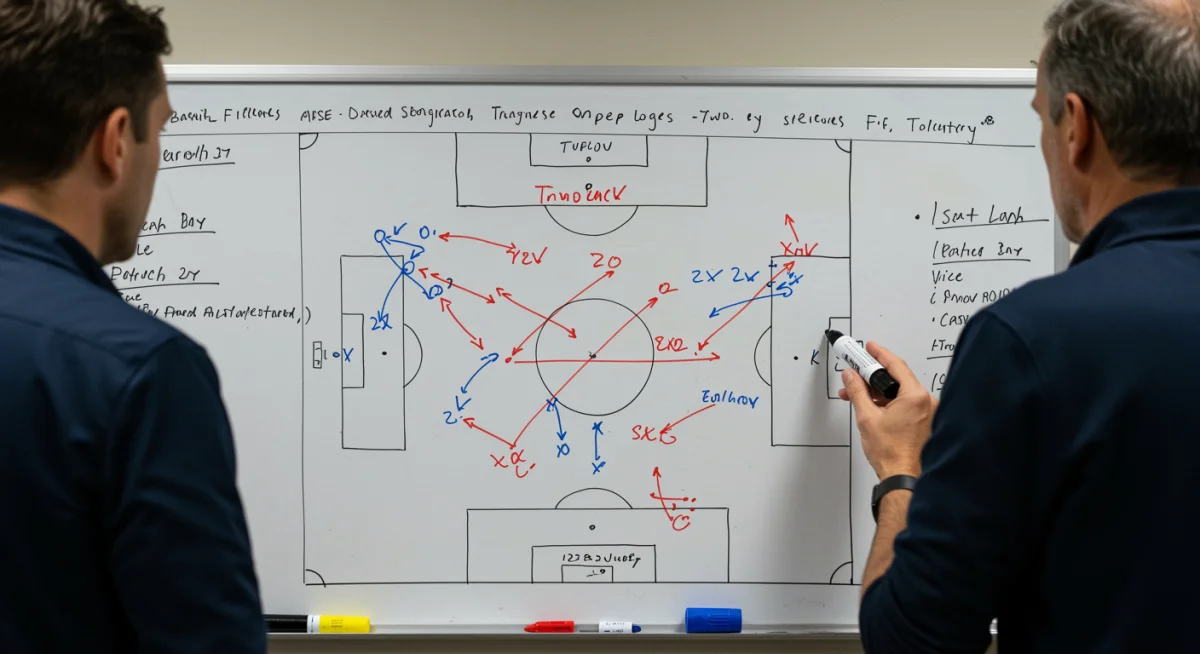
Furthermore, video analysis has become an integral part of their preparation. Coaches and their staff meticulously dissect opponent strengths and weaknesses, identify patterns of play, and review their team’s own performances to pinpoint areas for improvement. This data-driven approach allows for objective decision-making, moving beyond anecdotal observations and gut feelings, and providing a solid foundation for strategic planning. The ability of American MLS Coaches to integrate these tools effectively marks a significant step forward in the league’s professionalization.
4. Cultivating a Strong Team Culture and Identity
Beyond tactics and analytics, the most successful American MLS Coaches understand the paramount importance of fostering a strong team culture and a clear identity. This involves creating an environment where players feel valued, respected, and motivated to work together towards a common goal. A positive team culture is often the bedrock upon which consistent success is built, especially in a league with diverse locker rooms comprising players from various national and cultural backgrounds.
These coaches are adept at building camaraderie, promoting open communication, and instilling a sense of collective responsibility. They emphasize core values such as hard work, discipline, resilience, and mutual support. This often translates into a clear playing philosophy that resonates with the club’s identity and the local community, giving the team a distinct style of play that fans can identify with and rally behind.
A strong team culture also helps navigate the inevitable challenges and setbacks that occur during a season. Teams with a robust internal dynamic are better equipped to overcome losing streaks, manage player injuries, and maintain focus under pressure. The ability of American MLS Coaches to forge these strong bonds and instill a winning mentality is a critical factor in their growing success.
5. Mastering Man-Management and Communication
The art of man-management is perhaps one of the most challenging yet rewarding aspects of coaching at the professional level. Successful American MLS Coaches excel in this area, demonstrating exceptional interpersonal skills and the ability to communicate effectively with a diverse group of players, staff, and club management. They understand that each player is an individual with unique motivations, aspirations, and challenges.
This involves personalized attention, active listening, and providing constructive feedback. Coaches need to be skilled motivators, capable of inspiring their players to reach their full potential while also managing expectations and dealing with difficult situations, such as benching a star player or addressing disciplinary issues. Effective communication extends beyond the locker room, encompassing interactions with the media, fans, and club hierarchy, all of which contribute to the overall perception and stability of the team.
Moreover, in a global league like MLS, coaches must be culturally sensitive and capable of bridging communication gaps between players from different linguistic and cultural backgrounds. The best American MLS Coaches are those who can foster an inclusive environment where every player feels understood and valued, leading to a more harmonious and high-performing squad.
6. Strategic Recruitment and Roster Construction
While often working in conjunction with sporting directors and general managers, American MLS Coaches play an increasingly vital role in strategic recruitment and roster construction. Their input is crucial in identifying players who not only possess the necessary technical and physical attributes but also fit the team’s tactical philosophy and cultural environment. This involves a keen eye for talent, an understanding of the league’s salary cap mechanisms, and the ability to project how a player will integrate into the existing squad.
Successful coaches are looking beyond just big-name signings; they are identifying undervalued talent, both domestically and internationally, who can make significant contributions. They prioritize players who are versatile, coachable, and possess a strong work ethic. The challenge in MLS is often balancing immediate needs with long-term strategic goals, especially given the league’s unique roster rules and budget constraints.
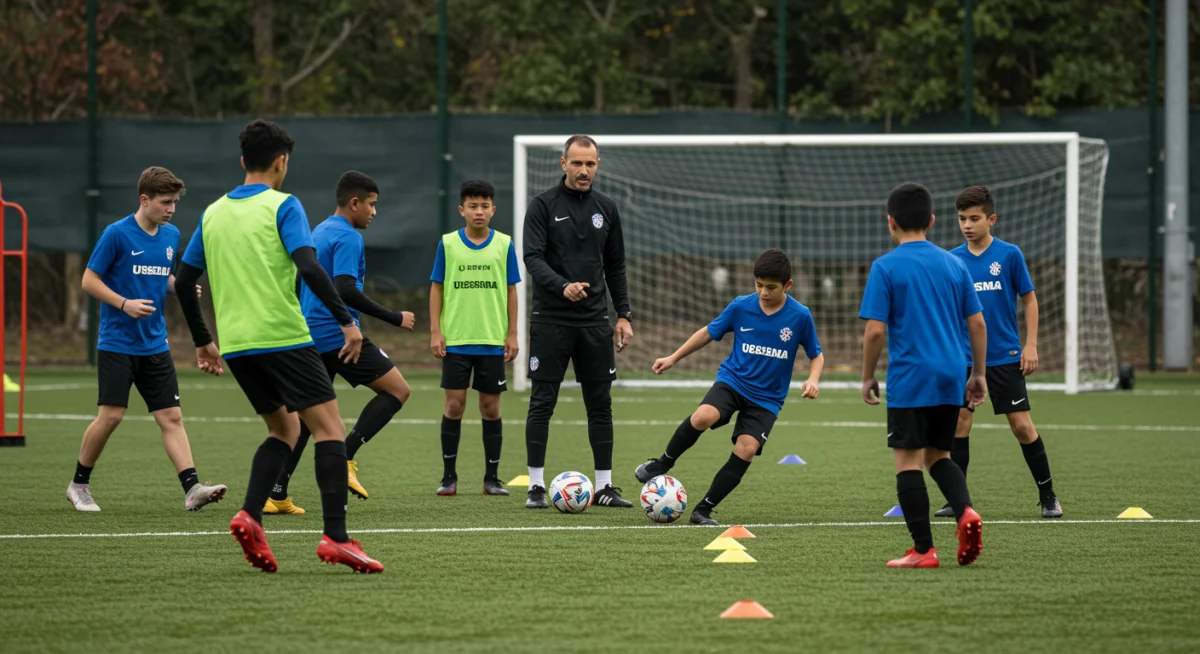
The shrewdness of American MLS Coaches in identifying players who can thrive within their system and contribute to the team’s overall identity is a testament to their growing expertise. They understand that a well-constructed roster is a fundamental pillar of sustained success, allowing for tactical flexibility and providing depth to navigate the rigors of a long season.
7. Mental Fortitude and Resilience in the Face of Adversity
The life of a professional soccer coach is inherently demanding, filled with intense pressure, public scrutiny, and the constant threat of failure. The most successful American MLS Coaches in 2024 are demonstrating exceptional mental fortitude and resilience, an unwavering ability to remain composed and focused even when facing adversity. This quality is contagious, often permeating through the entire squad and becoming a defining characteristic of their teams.
This involves maintaining a positive outlook during difficult stretches, learning from losses without dwelling on them, and inspiring confidence in their players. Coaches must be able to absorb criticism, make tough decisions, and stand by their convictions. Their ability to project calmness and confidence, even when the stakes are high, is crucial for maintaining team morale and preventing panic.
The MLS season is a marathon, not a sprint, and every team will experience periods of struggle. It is during these challenging times that the mental strength of the coaching staff is truly tested. American MLS Coaches who can instill this resilience in their players, teaching them to fight for every result and never give up, are the ones who ultimately achieve sustained success. Their ability to navigate the emotional rollercoaster of professional sports is a significant factor in their growing reputation and effectiveness within the league.
Conclusion: The Bright Future of American MLS Coaches
The ascendancy of American MLS Coaches is one of the most exciting developments in Major League Soccer. The seven strategies outlined above – tactical flexibility, player development, leveraging analytics, cultivating team culture, mastering man-management, strategic recruitment, and mental fortitude – paint a picture of a sophisticated, forward-thinking coaching contingent that is shaping the league’s present and future.
As MLS continues to grow and compete on the global stage, the contributions of these homegrown talents will become even more critical. They bring a deep understanding of the American soccer landscape, a commitment to innovation, and a passion for developing the next generation of players and coaches. Their success in 2024 is not just a fleeting moment but a clear indication of a sustainable trend. The future of American soccer, both domestically and internationally, looks brighter than ever, thanks in no small part to the strategic brilliance of its American MLS Coaches.
The league, clubs, and fans alike are benefiting from this evolution, witnessing more engaging matches, stronger team identities, and a clear pathway for talent development. As these coaches continue to refine their methods and push the boundaries of what’s possible, they will undoubtedly leave an indelible mark on the sport, solidifying the position of American coaching as a force to be reckoned with in the global soccer arena.