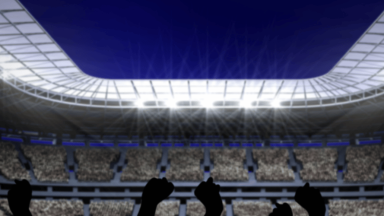
The anticipation for the 2026 FIFA World Cup, co-hosted by the United States, Canada, and Mexico, is already palpable. With a significant portion of the matches slated for U.S. cities, the spotlight is firmly on how these host cities will deliver an unparalleled fan experience, particularly within the bustling fan zones. These zones are more than just gathering points; they are the heart of the match day atmosphere for millions who may not have tickets to the stadium but crave to be part of the global spectacle. However, designing and managing these massive public spaces comes with its unique set of challenges, often leading to common frustrations that can dampen the spirit of even the most ardent fan. From interminable queues and confusing layouts to inadequate facilities and connectivity issues, these pain points can significantly detract from the overall enjoyment. Our focus today is on 2026 Fan Zone Solutions – practical, forward-thinking strategies to mitigate these problems and ensure a smoother, more enjoyable match day for everyone.
The 2026 World Cup promises to be the biggest in history, with an expanded format featuring 48 teams and a record number of matches. This scale mandates an equally ambitious approach to fan zone management. Simply replicating past models will not suffice. We need innovative, technology-driven, and fan-centric solutions that address the specific logistical and experiential demands of such a colossal event. This article will delve into six critical areas where improvements can be made, offering tangible solutions that can transform potential frustrations into memorable moments of celebration. By proactively tackling these issues, U.S. host cities can set a new benchmark for World Cup fan zones, solidifying their reputation as world-class event organizers and ensuring that the spirit of football truly unites and exhilarates.
1. Enhancing Crowd Flow and Navigation with Smart Design
One of the most pervasive frustrations in any large-scale event fan zone is the sheer difficulty of navigating through dense crowds and finding essential services. Long queues for entry, food, restrooms, and even simple information booths can quickly erode enthusiasm. The solution lies in a combination of intelligent spatial design and advanced crowd management technologies. For effective 2026 Fan Zone Solutions, an emphasis on intuitive layouts is paramount.
Strategic Layout Planning
Before any physical setup begins, extensive planning using computational fluid dynamics (CFD) and pedestrian simulation software can model crowd behavior and identify potential bottlenecks. This allows organizers to strategically place entrances, exits, food and beverage vendors, restroom facilities, and first aid stations to optimize flow. Wider pathways, clear directional signage (both physical and digital), and designated zones for different activities (e.g., viewing, eating, merchandise) can significantly reduce congestion. Creating multiple, clearly marked entry and exit points, distributed around the perimeter, can spread out arriving and departing crowds, preventing single choke points.
Furthermore, the concept of ‘micro-zones’ within the larger fan zone can be explored. Each micro-zone could offer a self-contained set of amenities, reducing the need for fans to traverse the entire area for basic needs. This decentralized approach helps distribute crowds more evenly and makes services more accessible.
Digital Wayfinding and Real-time Updates
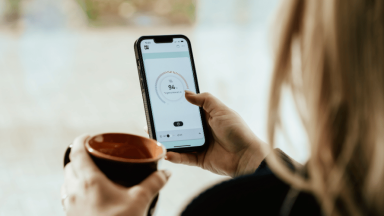
Leveraging mobile applications and large digital displays for real-time wayfinding is crucial. A dedicated fan zone app could provide interactive maps, showing current crowd density, estimated wait times for various services, and personalized routes to desired locations. These apps can integrate GPS technology to guide users directly. Large LED screens strategically placed throughout the fan zone can display similar information, along with important announcements, schedules, and emergency instructions. This proactive communication empowers fans to make informed decisions and avoid congested areas, significantly improving their experience.
Dedicated Entry and Exit Gates with Efficient Screening
Beyond the layout, the process of entering and exiting the fan zone needs to be streamlined. Implementing advanced screening technologies, such as walk-through metal detectors and bag scanners that can process individuals quickly without requiring them to empty pockets or remove items, can dramatically speed up entry. Pre-registration systems or mobile ticketing that allows for quick QR code scans can further accelerate the process. Dedicated lanes for families, individuals with disabilities, or those without bags can also improve efficiency and inclusivity. The goal is to minimize the time fans spend waiting in lines, allowing them more time to enjoy the atmosphere.
2. Revolutionizing Concessions and Food Services
Few things test a fan’s patience like long lines for food and drinks, especially during crucial match moments. The traditional concession stand model is ripe for disruption when considering effective 2026 Fan Zone Solutions. The key here is diversification, technology integration, and efficiency.
Mobile Ordering and Pre-payment Systems
Implementing a robust mobile ordering system through a dedicated fan zone app can be a game-changer. Fans could browse menus, place orders, and pay in advance from anywhere in the fan zone. They would then receive a notification when their order is ready for pick-up at a designated, express collection point. This not only eliminates physical queues at vendor stalls but also allows fans to continue enjoying the match or other activities without interruption. The system could also offer delivery options within certain zones, further enhancing convenience.
Diverse and Distributed Food Options
Moving beyond standard stadium fare, fan zones should offer a wide variety of food options catering to diverse tastes and dietary restrictions. This includes local specialties, international cuisine, vegetarian, vegan, and gluten-free choices. Crucially, these vendors should be strategically distributed throughout the fan zone, preventing concentration of demand at a few popular spots. Food trucks, pop-up stalls, and temporary kiosks can provide flexibility and variety, further reducing wait times and enhancing the culinary experience.
Automated Vending and Self-Service Kiosks
For high-demand items like bottled water, soft drinks, and pre-packaged snacks, automated vending machines or self-service kiosks can be invaluable. These systems allow for quick transactions without needing staff interaction, significantly speeding up service for common needs. Integrating payment methods like contactless payments and mobile wallets into these kiosks further streamlines the process, making transactions swift and seamless. Embracing these technologies is a crucial part of modern 2026 Fan Zone Solutions.
3. Robust Connectivity and Charging Infrastructure
In today’s hyper-connected world, a lack of reliable internet access or a dead phone battery can quickly become a major source of frustration. Fans rely on their devices for everything from communication and social media sharing to accessing tickets and fan zone information. Addressing this is a non-negotiable component of effective 2026 Fan Zone Solutions.
High-Density Wi-Fi Networks
Deploying a robust, high-density Wi-Fi network capable of supporting tens of thousands of concurrent users is essential. This isn’t just about providing internet access; it’s about enabling the entire digital ecosystem of the fan zone – from mobile ordering to real-time updates and social sharing. The network needs to be redundant and scalable, with ample bandwidth to prevent slowdowns during peak times. Clear signage indicating Wi-Fi availability and connection instructions should be prominent.
Abundant Charging Stations
Strategically placed charging stations, offering both traditional outlets and USB ports, are a must. These should be secure and easily accessible, perhaps integrated into seating areas or dedicated charging hubs. Portable power bank rental services could also be considered, allowing fans to charge their devices on the go without being tethered to a fixed station. Solar-powered charging solutions could also be explored as an eco-friendly option, aligning with potential sustainability goals for the event.
Interactive Digital Information Hubs
Beyond personal devices, large interactive digital information hubs or kiosks can serve as central points for information, charging, and even emergency services. These hubs could provide touch-screen access to fan zone maps, event schedules, public transport information, and local attractions, reducing the burden on human information staff and providing information 24/7.
4. Prioritizing Health, Safety, and Accessibility
While the focus is often on fun and entertainment, the fundamental responsibility of organizers is to ensure the health, safety, and accessibility of all attendees. Neglecting these aspects can lead to serious issues and detract from the overall experience. Comprehensive strategies for health, safety, and accessibility are foundational 2026 Fan Zone Solutions.
Enhanced Medical Facilities and First Aid
Well-staffed and clearly marked first aid stations should be distributed throughout the fan zone, with trained medical personnel, including paramedics and nurses. These stations should be equipped to handle common ailments, minor injuries, and heat-related issues. Collaboration with local hospitals and emergency services for rapid response protocols is also critical. Utilizing wearable technology for staff to communicate and coordinate in real-time can further enhance response capabilities.
Clear Emergency Protocols and Communication
Visible emergency exits, clear evacuation routes, and a robust public address system are non-negotiable. Emergency protocols should be communicated proactively through digital signage, the fan zone app, and pre-event information. Staff should be thoroughly trained in emergency procedures and crowd control. The integration of AI-powered surveillance systems can help monitor crowd behavior and identify potential safety risks in real-time, allowing for immediate intervention. This proactive approach to safety is a core tenet of effective 2026 Fan Zone Solutions.
Accessibility for All
Fan zones must be fully accessible to individuals with disabilities. This includes accessible pathways, ramps, and elevators where needed; accessible restrooms; designated viewing areas with good sightlines; and sign language interpreters or assistive listening devices for key presentations. Information should be available in accessible formats, and staff should receive training on disability awareness and assistance. Providing quiet zones or sensory-friendly spaces can also cater to individuals with sensory sensitivities, ensuring a truly inclusive environment.
5. Engaging Entertainment and Interactive Experiences
Beyond watching the match on a big screen, fans crave immersive and memorable experiences. A well-rounded fan zone offers more than just viewing; it provides a festival-like atmosphere with diverse entertainment. This is where the ‘fun’ factor of 2026 Fan Zone Solutions truly shines.
Diverse Entertainment Program
A dynamic schedule of live music, cultural performances, local artist showcases, and interactive games can keep fans engaged throughout the day. Consider stages for local bands, DJs, and cultural dance groups to reflect the host city’s unique identity. Incorporating elements that celebrate the diversity of the participating nations can create a truly global village atmosphere.
Interactive Football Activities
Allowing fans to participate in football-related activities can significantly boost engagement. This could include mini-pitch games, penalty shoot-out challenges, virtual reality (VR) football experiences, or skill zones where fans can test their abilities. Photo booths with World Cup-themed props, face painting, and opportunities to meet mascots or former players can also create lasting memories. These interactive elements transform passive viewing into active participation.
Leveraging Augmented Reality (AR)
Augmented Reality (AR) offers exciting possibilities for enhancing the fan experience. Imagine fans using their phones to overlay virtual players onto the real-world fan zone, collect digital memorabilia, or engage in AR scavenger hunts. AR filters for social media, allowing fans to virtually ‘wear’ team jerseys or interact with World Cup trophies, can also amplify engagement and social sharing. This innovative use of technology can create unique, shareable moments.
6. Sustainable Practices and Community Integration
Hosting an event of this magnitude comes with significant environmental and social responsibilities. Incorporating sustainable practices and actively integrating with local communities are vital components of modern 2026 Fan Zone Solutions, reflecting a commitment beyond just the match itself.
Waste Management and Recycling Initiatives
Implementing comprehensive waste management strategies is crucial. This includes providing clearly marked recycling bins for different materials (plastics, paper, organic waste) throughout the fan zone. Encouraging vendors to use compostable or recyclable packaging, and banning single-use plastics where feasible, can significantly reduce the environmental footprint. Education campaigns for fans on proper waste disposal can also contribute to cleaner fan zones. Partnering with local recycling facilities ensures that collected materials are processed responsibly.
Promoting Public Transportation and Eco-Friendly Travel
Fan zones should be strategically located with excellent access to public transportation. Extensive information on bus routes, subway lines, and shuttle services should be readily available through the fan zone app and digital signage. Encouraging walking and cycling, perhaps even offering bike storage facilities, can further reduce carbon emissions. Collaborating with local transport authorities to increase service frequency during peak times is essential to manage the influx of fans efficiently and sustainably.
Local Economic and Social Integration
Fan zones offer a unique opportunity to boost local economies and engage communities. Prioritizing local vendors for food, merchandise, and services ensures that the economic benefits directly impact the host city. Creating opportunities for local artists, musicians, and cultural groups to perform in the fan zone showcases local talent and pride. Volunteer programs that involve community members can foster a sense of ownership and belonging. Furthermore, any temporary infrastructure should be designed with post-event legacy in mind, ensuring materials can be reused or repurposed, and any positive community impacts are sustained long after the final whistle. By focusing on these aspects, the 2026 Fan Zone Solutions can leave a lasting positive legacy for the host cities.
Conclusion: A Vision for the Ultimate 2026 Fan Zone Experience
The 2026 FIFA World Cup in the U.S. presents an extraordinary opportunity to redefine the fan zone experience. By proactively addressing common frustrations and embracing innovative solutions, host cities can transform these public gathering spaces into vibrant, efficient, safe, and truly unforgettable hubs of celebration. The six practical solutions outlined – focusing on smart crowd management, revolutionary concessions, robust connectivity, paramount safety and accessibility, engaging entertainment, and sustainable community integration – form a comprehensive blueprint for success. Implementing these 2026 Fan Zone Solutions will not only alleviate typical pain points but will elevate the overall match day experience for millions of football enthusiasts.
Imagine a fan zone where queues are a distant memory, where ordering food is as simple as a tap on your phone, where your device stays charged, and where you feel safe, connected, and entertained at every turn. A fan zone that is inclusive, environmentally conscious, and deeply integrated with the local community. This vision is not merely aspirational; it is achievable with thoughtful planning, strategic investment in technology, and a steadfast commitment to putting the fan experience at the forefront. As the countdown to 2026 continues, let us strive to create fan zones that are not just functional, but truly iconic – spaces where the global passion for football can flourish without hindrance, leaving an indelible mark on the hearts of fans worldwide. The legacy of the 2026 World Cup fan zones in the U.S. has the potential to be truly groundbreaking, setting a new standard for future mega-events.